Trending Searches
Sheffield Residents Divided Over New Cycle Lane Replacing Pavement and Cyclists' Close Call in Tenerife
A recent urban initiative in Sheffield has generated considerable debate. The city has commenced the construction of a new dedicated path for bicycles in its downtown area, which has necessitated the removal of a pedestrian walkway that was only put in place in 2020. This decision, part of the broader "Connecting Sheffield" scheme aimed at establishing a city-wide segregated cycling network, has met with mixed reactions from the community. While authorities champion the project as a means to encourage more cycling and create a greener, less traffic-dominated environment, the displacement of pedestrian space, particularly on a bustling retail street, has led to public outcry. Many residents have voiced concerns regarding pedestrian-cyclist conflicts and the allocation of resources towards cycling infrastructure over other community needs.
Meanwhile, in a stark reminder of the dangers cyclists often encounter, members of the Aero Collective Racing team shared a harrowing incident from their training ride in Tenerife. The team experienced a terrifying close call involving several motorcycles, an event that underscored the fragility of life on the road for cyclists. This incident adds to a growing number of "Near Miss of the Day" reports, which frequently detail dangerous encounters, although most typically occur at lower speeds. The close shave in Tenerife, however, was particularly severe, serving as a chilling illustration of the potentially fatal risks inherent in cycling, even for professional athletes.
These events underscore the ongoing challenges in urban planning and road safety. Striking a balance between promoting sustainable transportation like cycling and addressing the concerns of all road users, including pedestrians and motorists, remains a complex task. Furthermore, ensuring the safety of cyclists requires not only dedicated infrastructure but also heightened awareness and respect among all who share public thoroughfares. Moving forward, collaborative efforts and thoughtful urban design will be essential to create environments that are safe, inclusive, and equitable for everyone.
Related Articles
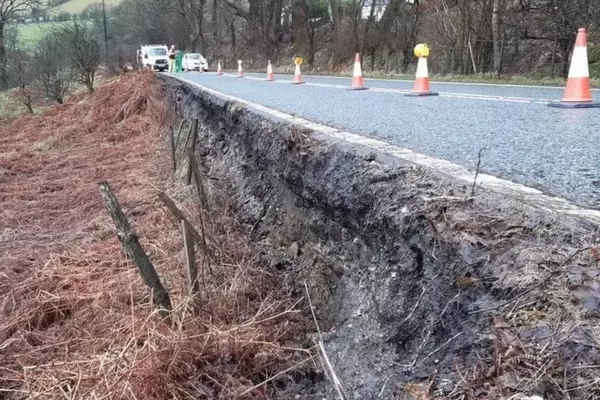
Uncertainty Surrounds Snake Pass Inclusion in 2027 Tour de France Femmes Due to Landslip Repairs

Rhondda Tunnel: Europe's Longest Cycling Tunnel to Revitalize Welsh Valleys