Trending Searches
Sonar Technology's Double-Edged Sword: Enhancing Fishing Efficiency vs. Conservation Concerns
The evolution of fishing technology, from ancient fish hooks to modern sonar systems, has consistently reshaped how humans interact with aquatic environments. Today, cutting-edge sonar devices are propelling angler efficiency to unprecedented levels, prompting both admiration for innovation and serious questions regarding its ecological footprint. This technological boom, while undeniably empowering fishermen, has ignited a vital discussion among conservationists and fisheries managers: can we harness these powerful tools without jeopardizing the delicate balance of marine ecosystems?
For millennia, humans have sought better ways to harvest the bounty of the seas. Early innovations, like the primitive fish hook crafted by Paleolithic fishermen, marked significant advancements, drastically improving catch rates. Throughout history, each technological leap, from nets to modern fishing vessels, has brought about periods of increased efficiency, sometimes leading to overfishing. This historical pattern is acutely relevant today, as noted by scientist Brendan Runde of The Nature Conservancy, particularly concerning the widespread adoption of omnidirectional sonar technology.
The advent of omnidirectional sonar, exemplified by products like Furuno's CH-250 Searchlight over two decades ago, revolutionized deep-sea angling. Originally slow to gain traction, advanced omnidirectional systems are now standard on many recreational boats, especially sport-fishing yachts. These systems enable anglers to locate and track fish with remarkable precision, leading to significantly higher success rates. A study analyzing data from the Big Rock Blue Marlin Tournament in 2024 and 2025 revealed that boats equipped with omnidirectional sonar caught an astonishing 84% more billfish than those without. This dominance wasn't limited to billfish; 14 out of 17 prizes for mahi, wahoo, and tuna also went to teams utilizing this technology. This surge in efficiency, while impressive, underscores the urgent need for fisheries managers to evaluate and potentially regulate the use of such potent tools to ensure the long-term viability of fish populations.
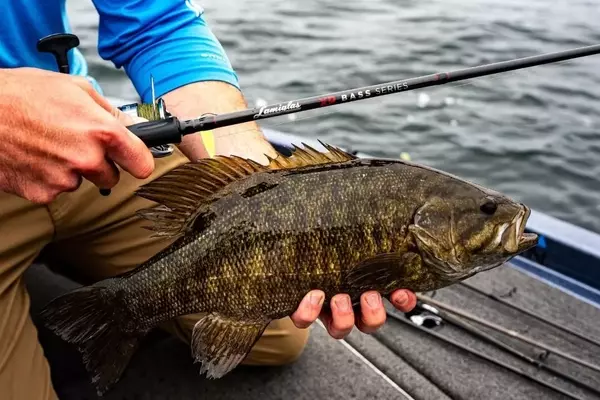
Closer to shore, forward-facing sonar presents another significant leap. This technology allows anglers to identify fish up to 80 feet ahead of their transducer, almost like a live video feed, enabling precise casting and real-time observation of fish reactions to lures. This has become a contentious issue in freshwater fishing, fundamentally altering competitive bass tournaments, where some experienced anglers have found their traditional skills rendered obsolete. The concern extends to saltwater environments, where organizations like the Bonefish & Tarpon Trust have issued warnings about the negative impacts on tarpon in the Florida Keys. The ability of sonar to detect inactive or deep-holding fish subjects them to increased fishing pressure, potentially driving them away from crucial habitats like Florida Bay, a vital refuge during migration. While charter captains appreciate tools that help clients catch fish, many share concerns about the cumulative pressure on vulnerable species.
In both inshore and offshore fishing, sonar has become an indispensable tool. While some traditionalists view these advanced technologies as a form of "cheating," not having them can put an angler at a significant disadvantage in modern fishing. However, history is replete with examples of how unchecked technological progress can lead to fishery collapses. The current data, though nascent, strongly suggests that the increased efficiency brought about by modern sonar warrants a thorough examination. Balancing the benefits of innovation with the imperative of conservation is crucial to prevent overexploitation and ensure a sustainable future for recreational fishing and marine life.