Trending Searches
Spring Fishing for Speckled Trout and Flounder in Louisiana's Bayous
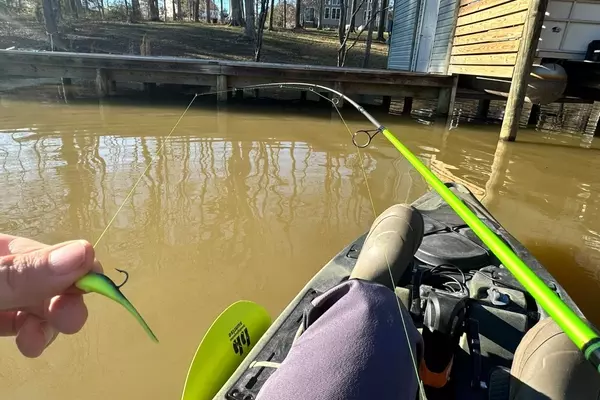
Every March, a remarkable natural phenomenon unfolds in the serene bayous of South Louisiana, drawing enthusiastic anglers to its rich waters. This annual event is triggered by the arrival of Atlantic croakers from the northern Gulf, creating an abundant food source that awakens speckled trout and flounder from their winter lethargy. Young angler Nolan McNeil exemplifies this excitement, skillfully reeling in a 19-inch speckled trout using a soft-plastic paddletail lure. His success, like many others, stems from targeting deep ledge walls within the bayous, where strong currents deliver an effortless buffet of juvenile croakers to hungry predators. These frenzied fish are not particular, eagerly striking lures that mimic their preferred prey. This consistent pattern offers an exceptional fishing experience that seasoned anglers eagerly anticipate each year.
As spring progresses, rising water temperatures play a crucial role in transforming the fishing landscape. Speckled trout, previously seeking refuge in low-current areas, now venture into more active feeding grounds. Their metabolism increases, demanding a protein-rich diet that the newly abundant croakers readily provide. These croakers, the offspring of winter spawns in the deep Gulf waters, drift into inshore marshes with the tides. They grow rapidly by consuming zooplankton, reaching an ideal size for trout consumption by spring. The male croakers' distinctive "croaking" sounds attract females for spawning, and their subsequent larvae are carried into the marshes, forming the foundation of this vital food chain. This dynamic migration and growth cycle is particularly pronounced on the east side of the Mississippi River, where numerous levee breaks allow nutrient-rich freshwater to nourish the marsh ecosystem, fostering a healthier environment for both prey and predators.
Anglers seeking to capitalize on this springtime bounty often concentrate their efforts on the Mississippi River's east side, where a more robust marsh ecosystem supports larger populations of juvenile croakers. The constant flow of nutrient-rich water through levee breaks and the active scouring by currents create deeper bayous and defined ledge walls, ideal habitats for ambush predators. Observant anglers can identify productive spots by looking for "boiling water" in bayou bends, a sign of strong currents pushing baitfish against ledges. Optimal fishing techniques involve using 3/8- to 1/2-ounce jig heads with soft-plastic paddletails to reach the deeper water and swift currents. These conditions often yield not only impressive speckled trout, with some reaching up to 23 inches, but also redfish and flounder. The abundance of these species, combined with generous catch limits, ensures a rewarding experience for dedicated marsh anglers, many of whom meticulously chart productive spots based on tidal patterns.
The annual resurgence of speckled trout and flounder in the Louisiana bayous during spring is a testament to the intricate balance of nature and the enduring allure of the outdoors. It highlights the importance of ecological health in sustaining vibrant fishing grounds and reminds us of the thrill of connecting with the natural world. This cyclical event fosters a deep appreciation for the environment, encouraging responsible angling practices and a commitment to preserving these invaluable ecosystems for future generations. The joy of a successful catch, like Nolan McNeil's, transcends the mere act of fishing, becoming a cherished memory and a celebration of the abundant life that thrives within these unique waterways.