Trending Searches
The Strategic Path to an Ultralight Backpacking Kit
Embarking on a journey with an ultralight backpacking setup is a common aspiration for many outdoor enthusiasts. Minimizing pack weight translates to greater ease on the trail, enabling longer distances and faster travel, while also mitigating common issues like shoulder and hip discomfort. However, premium ultralight gear often comes with a hefty price tag, making a complete overhaul impractical for most. The key lies in a systematic, phased approach to equipment upgrades. Improper sequencing can lead to unnecessary discomfort, undermining the very purpose of going ultralight.
Achieving an ultralight setup without purchasing all new equipment at once requires a thoughtful strategy. The most effective method involves replacing the heaviest items first, as this yields the most significant and immediate weight savings. This ensures that each upgrade contributes meaningfully to a lighter load and a more comfortable trekking experience.
Prioritizing Your Gear Upgrades for Maximum Impact
When embarking on the journey to lighten your backpacking load, the initial focus should unequivocally be on the largest and heaviest pieces of equipment. The most substantial gains in weight reduction are realized by targeting items that inherently contribute the most to your pack's overall mass. Neglecting this principle can lead to minimal improvements despite investment, leaving you with a still-heavy pack. By strategically replacing bulky components first, such as your shelter and sleep system, you set a strong foundation for an increasingly lighter and more efficient setup, maximizing comfort and reducing physical strain on long treks. This methodical approach ensures that each dollar spent on new gear delivers the most impactful return in terms of weight savings.
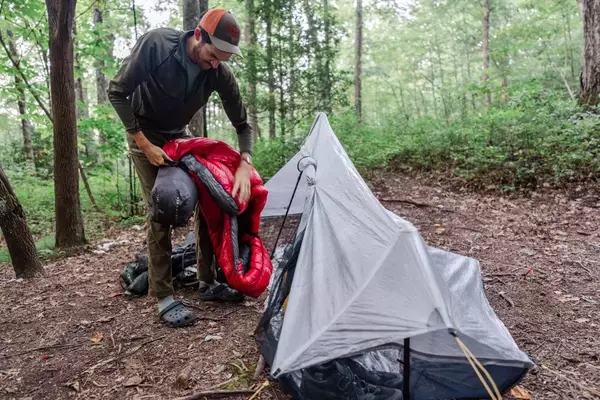
To effectively transition to a lighter backpacking setup, concentrate on replacing your most cumbersome items first. A conventional tent often represents the heaviest single piece of gear, particularly older models. Upgrading to a modern ultralight shelter, which can weigh as little as one pound and compress to a fraction of its original size, offers an immediate and significant reduction in overall pack weight. This initial investment provides substantial dividends in comfort and mobility, allowing for a more enjoyable trekking experience. Following the tent, address your sleeping system. Traditional sleeping bags tend to be both heavy and bulky. A contemporary ultralight sleeping bag or, even better, a quilt, which minimizes fabric and eliminates zippers, will further reduce weight and free up crucial pack space. While selecting a sleep system, always ensure its temperature rating aligns with your typical camping conditions to guarantee warmth and comfort. These foundational changes establish a solid base for a truly ultralight kit.
Optimizing Comfort and Efficiency: Beyond the Big Three
After addressing the heaviest items—shelter and sleep system—the next logical step in your ultralight conversion is to refine your cooking arrangement. While not as heavy as the previous components, an optimized cooking setup can still shed valuable ounces and improve overall efficiency on the trail. Many traditional cooking systems are unnecessarily robust and weighty, making them ripe for an upgrade. Subsequently, the backpack itself, though seemingly the most logical first upgrade, should be reserved for last. This is because ultralight packs are specifically engineered to carry lighter loads and may not perform optimally with bulkier, heavier older gear, potentially leading to discomfort and compromised functionality.
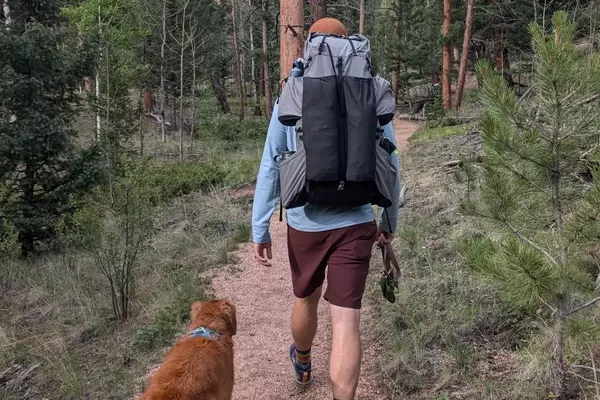
Once your tent and sleep system are updated, focus on your cooking gear. Overly bulky stoves and cookware can add unnecessary weight. Transitioning to a lightweight canister stove and titanium pots and utensils can make a noticeable difference. Consider simplifying your meal preparation; pouch dinners or even cold-soaking techniques drastically reduce the need for extensive cooking equipment. The final piece of your ultralight puzzle should be the backpack. Ultralight packs are meticulously designed for minimal loads, typically ranging from 25 to 35 pounds, and feature less robust straps, suspension, and frames compared to traditional models. Attempting to use an ultralight pack with conventional, heavier gear can result in discomfort due to inadequate support, straps digging into shoulders, and poor weight distribution. Therefore, save the backpack upgrade for last, ensuring that your lighter contents are properly accommodated and your investment in a specialized pack is truly beneficial. This sequential approach guarantees that your lighter gear is matched with a suitable carrying system, preventing strain and maximizing the ultralight advantage.