Trending Searches
Tim Merlier Overcomes Pressure to Secure Stage Victory at Tour de France
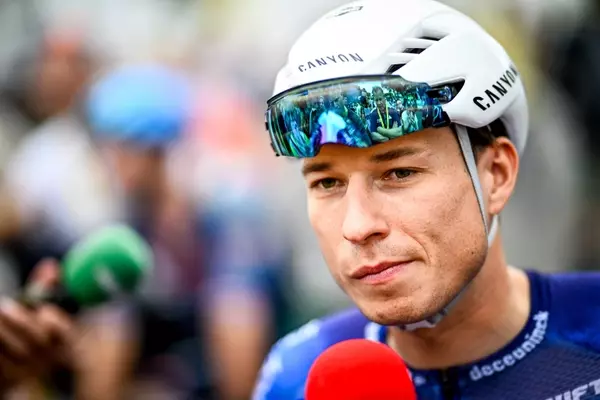
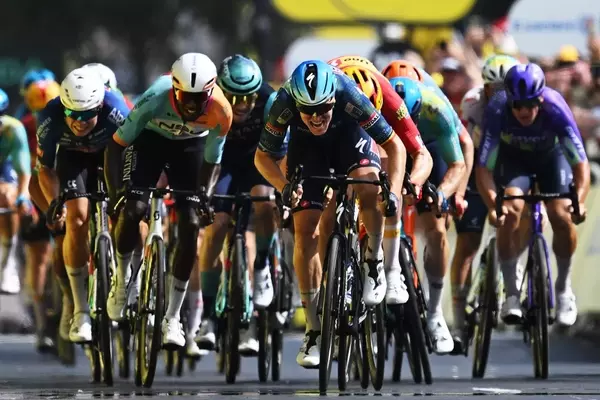
Soudal Quick-Step's Tim Merlier achieved a significant victory in the seventh stage of the 2026 Tour de France, a triumph that was met with a clear expression of relief rather than overt celebration. This win marked a pivotal moment for Merlier, who had faced a demanding start to his season, compounded by a knee injury and the unfortunate withdrawal of his crucial lead-out rider. Furthermore, he had been under considerable pressure from his team's management to perform on cycling's most prestigious stage. His ability to overcome these obstacles and secure a win underscores his unwavering resolve and consistent talent in the demanding world of professional cycling, even as the Tour's routes become progressively more challenging for sprinters.
Merlier's Resilient Performance in the Face of Adversity
On a memorable Friday in Bordeaux, Tim Merlier, the seasoned Belgian cyclist from the Soudal Quick-Step team, crossed the finish line of stage seven in first place, not with a triumphant roar, but with a symbolic brushing of his shoulders. This understated gesture, far removed from the usual celebratory arm raises, spoke volumes about the immense pressure he had shed. As Merlier later revealed in his winner's press conference, the weight of expectation had been considerable, especially after a pre-Tour meeting where the team's CEO, Jurgen Forë, had conveyed a somewhat overbearing desire for success.
Despite the heightened stakes, Merlier's track record at the Tour de France is impressive; he has consistently secured at least one stage victory in each of his three participations. However, the 2026 edition presented unique difficulties. His season had been hampered by a knee injury, delaying his competitive return until late March. This forced him into an arduous climb to regain peak form, missing two crucial months of training. Adding to his challenges, his key lead-out man, Bert Van Lerberghe, had to abandon the race on the grueling Col du Tourmalet, a significant loss that Merlier acknowledged created more chaos in the peloton without his 'big guy' clearing space.
Beyond personal setbacks and team dynamics, Merlier also highlighted the evolving nature of the Tour itself. The 2026 route is widely considered one of the toughest in recent memory, offering fewer opportunities for sprinters. With the first bunch sprint only arriving on stage five and potentially the last on stage eleven, the window for fast finishers like Merlier is rapidly shrinking. His third-place finishes in earlier sprint stages intensified the pressure, knowing that chances for victory were scarce. Nevertheless, his triumph in Bordeaux reaffirmed his sprinting prowess and offered a glimmer of hope that Grand Tours will continue to provide viable platforms for sprinters in the future.
Merlier's victory in the seventh stage of the Tour de France serves as a powerful reminder of the relentless mental and physical demands placed on professional athletes. It highlights how external pressures, personal challenges, and the inherent difficulties of the sport itself can converge, yet be overcome by sheer determination and talent. His experience also sparks a conversation about the future trajectory of Grand Tour routes. As these iconic races become increasingly mountainous and challenging, it raises important questions about the balance between catering to different rider specialties and preserving opportunities for sprinters. Ensuring a diverse range of stages not only maintains competitive variety but also allows different types of cyclists to shine, enriching the spectacle for fans and athletes alike.