Trending Searches
Top Gravel Tires for Winter Riding: Enhancing Grip in Challenging Conditions
As the colder, wetter months arrive, gravel cyclists frequently encounter treacherous terrain where grip is at a premium. The swift tires that excel in dry summer conditions often prove inadequate when confronted with mud, damp surfaces, and loose gravel. This comprehensive guide delves into selecting the ideal gravel tires for winter, emphasizing how a thoughtful tire change can dramatically enhance control and stability. We examine critical factors such as tread aggressiveness, rubber compound composition, and tire width, providing insights into maximizing traction while minimizing performance compromises on winter trails.
When searching for the perfect winter gravel tires, the focus shifts from low-profile, fast-rolling treads to more robust, aggressive designs. Tires featuring taller, more widely spaced knobs are essential as they can effectively penetrate soft terrain, thereby offering superior grip. However, this increased traction often comes with a trade-off: a slight reduction in rolling speed. Therefore, the optimal choice involves a careful balance between the need for grip and maintaining reasonable pedaling efficiency. Riders should also consider the specific types of terrain they frequent; consistently muddy paths demand highly aggressive treads, whereas varied conditions might allow for slightly less extreme profiles to retain some speed.
Beyond tread design, the rubber compound plays a pivotal role in a tire's winter performance. While firmer compounds offer excellent rolling efficiency in dry conditions, they lack the crucial chemical grip required on wet surfaces. Softer compounds, conversely, provide enhanced adhesion in slick conditions, albeit at the expense of some rolling speed. Fortunately, many gravel tire manufacturers engineer their products with compounds specifically tailored to their intended use, mitigating the need for riders to choose between vastly different compound options. Additionally, tire width, while generally favoring wider options in gravel cycling, demands reconsideration in deep mud. Narrower tires can cut through mud more effectively to find solid ground, offering better grip than wider tires that might merely float or 'skate' over the surface. However, ensuring adequate frame clearance for wider tires remains a prerequisite for those who prefer them.
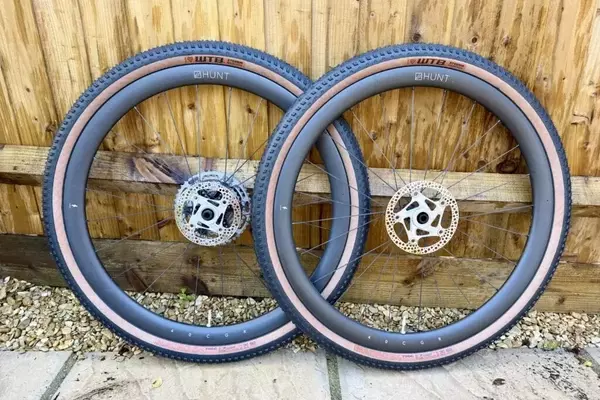
Several top-tier gravel tires stand out for their winter prowess. The Vittoria Terreno T60 Pro Mixed Gravel Race, lauded for its eco-friendly construction and exceptional all-surface traction, excels across varied terrains, though its dense tread can accumulate mud in extremely sticky conditions. The Schwalbe G-One RX Pro features an aggressively open tread pattern designed for rapid mud shedding and impressive speed on muddy trails, though it may lack some cornering bite. Hutchinson's Tundra Hardskin offers a durable carcass and reliable wet-weather cornering, performing well across mixed conditions and proving fast enough for year-round use, despite some traction loss on dry climbs. The Challenge Gravine PRO, a premium option, delivers an outstanding blend of speed and grip in soft conditions, boasting a supple casing for comfort but potentially compromising puncture resistance and being challenging to fit. Lastly, the WTB Resolute TCS Light SG2, with its distinctive blocky tread, is an excellent all-weather choice, providing superb wet grip and impressive durability, making it suitable for riders seeking a set-and-forget solution, albeit with slightly slower rolling characteristics.
Ultimately, selecting the best gravel tires for winter involves a strategic assessment of riding conditions and desired performance characteristics. Prioritizing aggressive treads and softer compounds will significantly improve grip and control on challenging wet and muddy surfaces. While some compromises in rolling speed are inevitable, the enhanced safety and confidence gained from a well-chosen tire setup far outweigh these minor drawbacks. By understanding the nuances of tread patterns, rubber compounds, and tire widths, riders can navigate winter trails with greaterefficacy and enjoyment, ensuring consistent performance when it matters most.