Trending Searches
Tour de France Cyclists' Bike Computer Data Screens: A Deep Dive
Navigate the Race, Master Your Performance: The Pro Cyclist's Digital Edge
The Cyclist's Digital Companion: More Than Just Data
When Tour de France riders adjust their bike computer displays and pause recording at the finish line, many wonder about the information they are scrutinizing and preserving. While some critics argue that these sophisticated devices make racing overly predictable, diminishing the chances of a daring breakaway, the reality, according to insights from professional cyclists, paints a different picture. Despite recent UCI regulations restricting bike computer sizes to prevent rider distraction from excessive data, these units continue to be indispensable tools.
Prioritizing Agility: Small and Mighty Devices
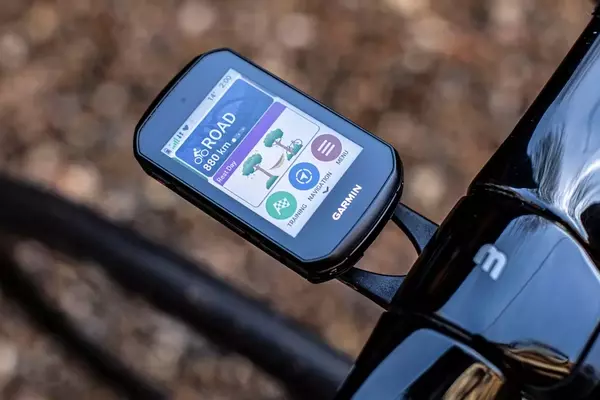
Contrary to the belief that larger screens offer more advantages, professional cyclists often opt for smaller, lighter bike computers. This preference is driven by the pursuit of marginal gains in weight reduction and aerodynamic efficiency. Brands like Wahoo and Garmin note that their sponsored WorldTour teams predominantly choose compact models, such as the Wahoo Elemnt Bolt or smaller Garmin Edge units, over their bulkier counterparts. This decision allows riders to stay within the strict 6.8kg UCI weight limit, as these removable devices do not contribute to the bike's overall weight.
Tailored Data: Training Versus Race Day
The display configurations on bike computers vary significantly between training sessions and actual races. Many riders, including Netcompany-Ineos' Sam Watson, prefer extensive data and larger screens during training for detailed navigation and performance analysis. However, for races, the approach shifts dramatically towards simplicity, focusing on critical metrics like distance and time. This adaptive strategy ensures that while comprehensive data is available for development, race-day focus remains on immediate tactical decisions rather than overwhelming information.
Safety First: The Indispensable Role of Mapping
Far from being a distraction, bike computers play a vital role in rider safety. Features like real-time mapping are crucial for navigating complex race routes, especially through challenging descents or technical time trial circuits. British road race champion Fred Wright emphasizes the importance of knowing the distance to the next corner, particularly at critical race junctures. Similarly, Georg Zimmermann relies on GPS mapping to anticipate course changes and uses timers for precise nutrition intake, highlighting the devices' contribution to both strategic planning and rider well-being.
Diverse Displays: Individual Data Preferences
While navigation and essential metrics are universal, individual data preferences lead to varied screen configurations among cyclists. For instance, Paul Seixas, a young French rider, packs his map screen with diverse data fields like meters climbed, altitude, average heart rate, and maximum speed, particularly useful on mountain stages. In contrast, riders like Mads Pedersen maintain a more concise display, focusing on current speed, power, BPM, and RPM, alongside time-keeping elements. These personalized setups underscore the adaptability of modern bike computers to cater to each athlete's unique needs and racing styles