Trending Searches
Tour de France Cyclists Face Unacceptable Hotel Conditions
The glamorous facade of the Tour de France was recently shattered by a series of unfortunate lodging experiences, as professional cyclists endured substandard hotel conditions. From sweltering rooms without air conditioning to unclean environments forcing athletes to seek respite on balconies, these incidents have cast a shadow over the prestigious cycling event and sparked conversations about the welfare of its participants.
Cyclists Endure Subpar Accommodations at Tour de France
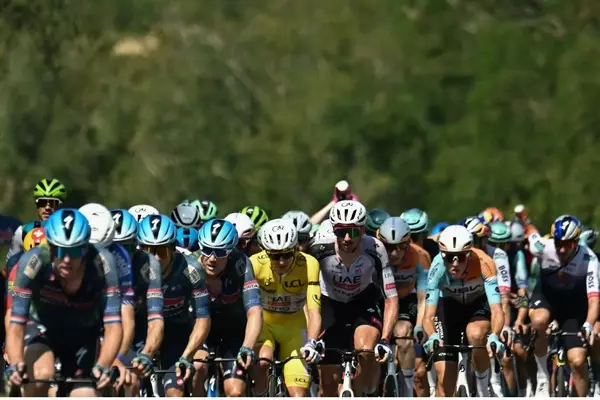
On July 14, 2026, news broke regarding the distressing accommodation situation faced by several cycling teams participating in the Tour de France. In Vic-sur-Cère, France’s Auvergne region, UAE Team Emirates, including the yellow jersey holder Tadej Pogačar, and Lidl-Trek were assigned hotels lacking air conditioning amidst a heatwave. Despite bringing their own units, the hotels' electrical systems proved inadequate, causing fuses to trip. Even more egregious were the conditions at the Uno-X team's hotel, where brothers Tobias and Anders Halland Johannessen found their room marred by mold, dust, and extensive cobwebs. Driven by the unhygienic environment, they chose to sleep on their balcony for two consecutive nights, a move Tobias commemorated with the hashtag #Itshardtobeacyclist. Magnus Cort, a Uno-X rider known for his candid hotel reviews, lambasted the establishment, describing it as “amongst the worst places I have stayed,” citing dirtiness, lack of air conditioning, and absent Wi-Fi, ultimately rating it a dismal one out of seven stars. These revelations have highlighted a persistent issue of varied accommodation quality orchestrated by the race organizers, ASO, who are responsible for allotting hotels to each team nightly.
These incidents serve as a stark reminder that even in elite sports, behind the scenes, conditions can be far from ideal. They prompt a critical look at the responsibility of event organizers to ensure basic comfort and hygiene for athletes, especially given the demanding nature of events like the Tour de France. The resilience displayed by the cyclists, improvising and adapting to these challenges, underscores their dedication but also points to systemic issues that require urgent attention to safeguard athlete well-being and maintain the integrity of such celebrated competitions.