Trending Searches
Uncovering the Hidden Havens of Trophy Whitetails
This detailed report delves into the elusive world of mature whitetail bucks, revealing 50 unique locations and landscape characteristics where these animals often thrive, largely untouched by human hunters. The insights provided are invaluable for understanding the behavior of older bucks, particularly their innate ability to seek out sanctuary away from hunting pressure. While many of these spots are off-limits, their existence plays a crucial role in maintaining healthy deer populations and providing hunters with a broader understanding of prime deer habitats.
The Secret Sanctuaries of Elusive Bucks
In the vast landscapes, from densely populated suburbs to remote natural reserves, savvy whitetail bucks demonstrate remarkable adaptability, finding refuge in areas often overlooked by hunters. This analysis, drawing from observations across numerous regions, identifies diverse locales where these magnificent creatures not only survive but also flourish into impressive specimens. Understanding these hidden havens is key to comprehending the dynamics of deer populations and refining hunting strategies.
For instance, urbanized settings like golf courses and college campuses, while seemingly incongruous with prime hunting grounds, frequently host robust deer populations. These areas, characterized by abundant food, water, and protective cover, offer a haven from human intrusion. Similarly, remote wilderness sections, such as national parks and wildlife preserves, provide expansive, undisturbed territories where deer can age gracefully without encountering hunters. The article highlights that even linear features like interstate medians and on-ramps can, surprisingly, become micro-sanctuaries for some bucks, particularly those with dense vegetation providing adequate concealment and escape routes.
Beyond strictly protected zones, several areas present potential, albeit challenging, hunting opportunities. Municipal lakes and city parks, often managed by local authorities, sometimes implement controlled quota hunts to manage deer populations. State parks, while generally restricted, occasionally permit hunting in designated sections. More obscure possibilities include tracts owned by timber and power companies, which often encompass vast, undeveloped lands. Access to these typically requires special permissions or leases, but for persistent hunters, they can yield exceptional results. Moreover, geographically isolated regions such as land-locked or water-locked territories, along with unmapped public lands, can harbor significant numbers of mature bucks due to reduced human interference.
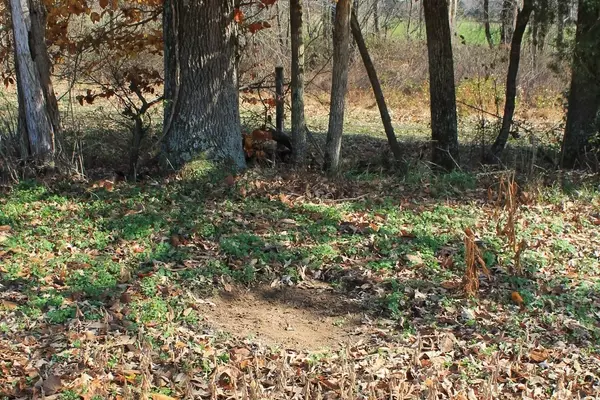
The article also emphasizes specific terrain features that consistently attract large whitetails. These include brushy benches on hillsides, dense brush piles, and areas impacted by blowdowns, all offering excellent cover. Cutover timberlands, with their rich regrowth, serve as both feeding grounds and bedding areas. Even dilapidated structures and secluded ditches can provide unexpected shelters. Topographical elements like hubs where ridges converge, isolated islands within water bodies, and oxbows formed by meandering rivers are also favored for their inherent security. Open prairies, plateaus, and leeward ridges offer strategic vantage points, while low flats within heavy cover and marsh interiors provide thermal protection and isolation from predators. Lastly, small, overlooked woodlots and large private estates practicing conservation management are vital for fostering trophy bucks.
Ultimately, the overarching message from this exploration is that while direct access to many of these prime locations remains restricted for the average hunter, their existence profoundly influences the broader deer ecosystem. These unpressured zones serve as critical breeding grounds and dispersal points, ensuring the vitality and genetic diversity of deer herds. For the dedicated hunter, the true value lies not necessarily in gaining entry to these specific spots, but in understanding the underlying principles that make them attractive to mature bucks. By applying this knowledge, hunters can better identify similar, less obvious sanctuaries in accessible areas, enhancing their chances of a successful hunt. The key takeaway is to broaden one's perspective beyond conventional hunting grounds and recognize the intricate ways in which deer utilize diverse landscapes to evade pressure and achieve old age.