Trending Searches
Unlocking Summer Smallmouth Bass Secrets in Wisconsin's Streams
A recent fishing trip unveiled the exceptional opportunities for smallmouth bass angling in the lesser-known streams of southwestern Wisconsin. Over three days, two anglers experienced remarkable success, consistently catching healthy bass ranging from two to three and a half pounds, even during a summer heatwave. This unexpected bounty, found just a few hours from suburban Chicago, challenges conventional wisdom that often directs anglers to northern lakes or the Mississippi River for prime bass fishing. The adventure highlighted that with careful planning and the right techniques, anglers can discover thriving smallmouth populations in these cool, well-aerated stream environments.
The journey also underscored the unique characteristics of stream bass fishing, which demands a more nuanced approach than lake fishing. Unlike their lake counterparts, stream bass remain active and near the surface during summer, thriving in cooler, stable water temperatures provided by springs, currents, and shaded banks. The article emphasizes the importance of selecting appropriate lures, such as balsa wood plugs and noisy topwater baits, which proved highly effective in eliciting aggressive strikes. Furthermore, it details the challenges of accessing these secluded stream sections, often requiring float trips and careful navigation, but ultimately affirming that the rewards of landing spirited smallmouth bass are well worth the effort.
Discovering Abundant Smallmouth Bass in Wisconsin's Unsung Streams
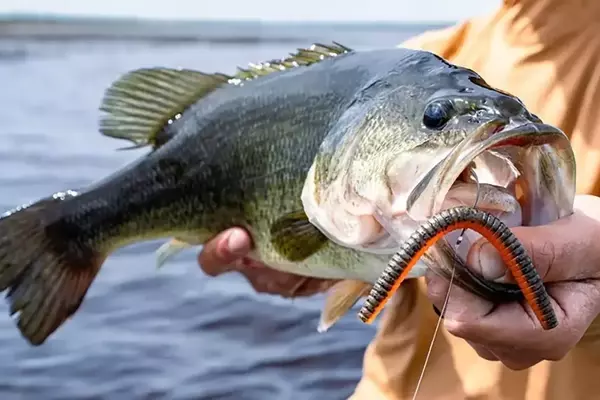
The pursuit of smallmouth bass often leads anglers to well-trodden paths, typically to vast northern lakes or major rivers. However, a recent three-day excursion into the unassuming streams of southwestern Wisconsin revealed a hidden paradise for bass enthusiasts. Despite scorching August temperatures that transformed the surrounding landscape into a humid expanse, the cool, flowing waters of these streams harbored an astonishingly active population of smallmouth bass. This journey, undertaken by two dedicated anglers, produced consistent catches of two to three-and-a-half-pound bass, challenging the notion that prime summer bass fishing is confined to more popular, distant locales. The experience demonstrated that exceptional angling opportunities are closer than many might imagine, accessible within a short drive for many Midwestern fishermen.
The success of this expedition lay in understanding and adapting to the unique ecosystem of these Wisconsin streams. Unlike large lakes where bass might retreat to deeper, cooler waters during summer, the streams offered stable, comfortable temperatures, thanks to natural springs, continuous currents, and ample shade provided by dense ravines. This environment kept the smallmouths vibrant and active, readily responding to a variety of lures. The anglers initially found success with floating plugs that mimicked minnows, leading to aggressive strikes from powerful bass. Later, noisy topwater lures became particularly effective, provoking explosive surface strikes. The adventure highlighted that these overlooked waterways, though demanding careful navigation and specific angling strategies, can yield truly memorable fishing experiences, offering a refreshing alternative to traditional bass fishing destinations and proving that perseverance and adaptability are key to unlocking their rich potential.
Mastering Stream Fishing: Techniques and Conditions for Summer Bass
Successfully targeting smallmouth bass in the secluded streams of southwestern Wisconsin requires a strategic approach, particularly during the summer months. The article emphasizes that these stream-dwelling bass exhibit distinct behaviors compared to their lake counterparts, thriving in the cool, oxygen-rich currents. Anglers discovered that while a summer heatwave made land travel uncomfortable, the stream temperatures remained ideal, maintaining an average of 65 degrees Fahrenheit. This stable environment kept the bass active and feeding near the surface, contrasting with lakes where bass often seek refuge in cooler, deeper zones. Therefore, adapting techniques to these conditions is paramount, focusing on lures and presentations that capitalize on the bass's active state in shallow, flowing water.
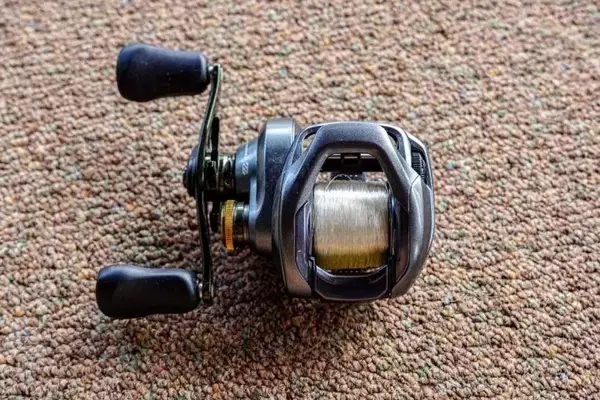
Effective methods employed during the trip included using balsa wood plugs that imitated minnows and, later, transitioning to noisy topwater lures. These choices proved instrumental in provoking aggressive strikes from bass lurking in shaded pools, undercut banks, and behind rocks. The accessibility challenges of these streams, often winding through thick ravines and requiring float trips or careful wading, mean that much of the prime water remains relatively unfished. This low angling pressure, coupled with the bass's spirited fight, makes the effort worthwhile. For optimal results, the article recommends using lightweight spinning or spin-casting gear with six-pound-test monofilament, and even suggests fly fishing with bugs and streamers in faster riffles. Anglers planning such an adventure would benefit from consulting topographic maps and local conservation resources, like Wisconsin's "Smallmouth Bass Streams" booklet, to identify promising stretches and convenient access points, ensuring a rewarding and challenging fishing experience.