Trending Searches
When Will I See Pilates Results? A Week-by-Week Guide
Pilates, a rapidly expanding fitness discipline, offers a comprehensive approach to physical well-being by targeting core strength, flexibility, mobility, and the crucial mind-muscle connection. This article delves into the expected timeline for realizing the diverse benefits of consistent Pilates practice, drawing insights from leading experts in the field. From subtle postural adjustments to more pronounced changes in body composition and mental state, understanding the progression of results can help practitioners set realistic expectations and optimize their routines for maximum effect.
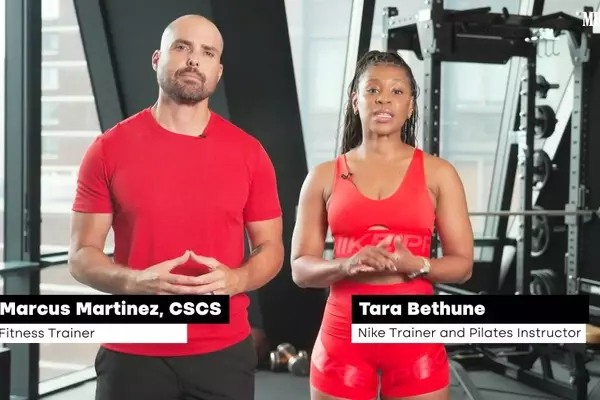
Nike trainer and Pilates instructor Tara Bethune emphasizes that Pilates serves as a fundamental practice, fostering a deeper awareness of one's body. This heightened self-awareness contributes significantly to the effectiveness of other workouts. Laura Quinn, CPT, head Pilates trainer at Alo, highlights the importance of consistency, recommending at least two sessions per week for beginners to establish a solid foundation, gradually increasing to four times weekly while ensuring adequate rest for recovery.
Initial benefits often manifest sooner than expected. Quinn notes that within a short period, individuals may observe improved posture, a more engaged core, enhanced flexibility, and subtle muscle definition. These early gains are particularly noticeable for those new to exercise, but even seasoned athletes can benefit from Pilates' ability to engage smaller, stabilizing muscles often overlooked in other forms of training. This inclusive nature ensures that almost everyone can derive value from incorporating Pilates into their fitness regimen.
A more detailed timeline for consistent Pilates practice reveals a progressive journey of improvements. Within two weeks, Bethune points out enhanced flexibility, balance, and coordination, a finding supported by research published in the Journal of Bodywork and Movement Therapies, which also highlights significant gains in mobility by six weeks. By the third to fourth week, Quinn suggests practitioners will experience increased strength and improved postural alignment. Further validation comes from a 2024 systematic review in Archives of Rehabilitation Research and Clinical Translation, which observed better posture and improved daily activity performance in sedentary women after eight weeks of consistent practice.
Visible muscle definition and improved body composition typically emerge around six to eight weeks, assuming a supportive diet. A 2025 randomized trial in Nature demonstrated that women engaging in reformer Pilates for sixty minutes three times a week over eight weeks experienced notable improvements in muscle mass, grip strength, and overall body mass. Beyond the physical, long-term commitment to Pilates, even just one hour per week for three months, has been shown to alleviate anxiety, depression, and stress, as evidenced by 2025 research in Healthcare.
While Pilates is a highly effective standalone practice, its benefits can be amplified by integrating strength training. Bethune explains that Pilates, despite its efficacy, has limitations in terms of progressive overload for significant muscle hypertrophy due to the finite resistance of reformer springs. The solution lies in combining Pilates with traditional strength training. Pilates inherently strengthens the deep core and stabilizes joints, crucial elements that enhance form, prevent injuries, and improve the efficiency of heavy lifting. Moreover, it targets smaller muscles and builds strength through the full range of motion, counteracting tightness or overdevelopment that can arise from intense weightlifting. For those seeking a structured approach, the "Pilates x Lift" program offers a four-week hybrid plan designed to maximize the advantages of both modalities.