Trending Searches
Winter Hiking: Embracing the Shorter Days
Winter's arrival, often marked by shorter days and chilly temperatures, can make outdoor enthusiasts, especially hikers, feel a dip in motivation. The shift to earlier darkness and the need for headlamps on after-work trails can be a deterrent. However, the season of "Big Dark" doesn't have to signal the end of adventure. Instead, it presents a unique opportunity to engage in a diverse range of activities that maintain the thrill of the trail, nurture a love for nature, and prepare for the warmer months ahead. This comprehensive guide, framed as a "winter hiking bingo card," aims to transform the challenging aspects of winter into a time of growth, exploration, and preparation for every hiking enthusiast.
One of the most captivating ways to experience winter's charm is by studying the stars. The long, dark nights offer an unparalleled canvas for celestial observation. Winter presents prime viewing opportunities for certain astronomical phenomena, and the crisp, cold air often leads to remarkably clear skies. Venturing to a designated dark sky destination for a night of stargazing, equipped with knowledge about navigating the night sky, can be a profoundly inspiring experience, transforming a potentially dull evening into an celestial safari.
For those who prefer the warmth of indoor activities, winter is an ideal time for DIY projects that keep the hiking spirit alive. Crafting personalized backpacking gear, such as hand-sewn stuff sacks or customized ultralight sandals, adds a unique touch to one's kit. More ambitious individuals might consider designing and sewing their own ultralight backpacks, honing valuable skills while anticipating future excursions. These projects not only provide a creative outlet but also deepen one's connection to their gear and the hiking lifestyle.
Physical preparation is crucial for sustained enjoyment on the trails, and winter offers a perfect window to focus on fitness. Engaging in strength and endurance training throughout the colder months ensures that the body is trail-ready when summer arrives. Programs like "6 Weeks to Trail Fit" provide structured guidance for hikers of all levels, helping to build resilience and prevent injuries. Complementing strength training with mobility exercises further enhances physical readiness, ensuring hikers feel their best for every journey.
Beyond physical conditioning, mental engagement with the hiking world is vital. Immersing oneself in hiking literature, from thrilling adventure stories to practical guides, can transport readers to distant peaks and wild landscapes from the comfort of their homes. This intellectual journey not only provides inspiration but also deepens understanding and appreciation for the outdoors. Furthermore, meticulous planning for future adventures, including researching routes, scouting campsites, and handling logistics, transforms dreams into tangible goals, ensuring that the return to the trails is seamless and rewarding.
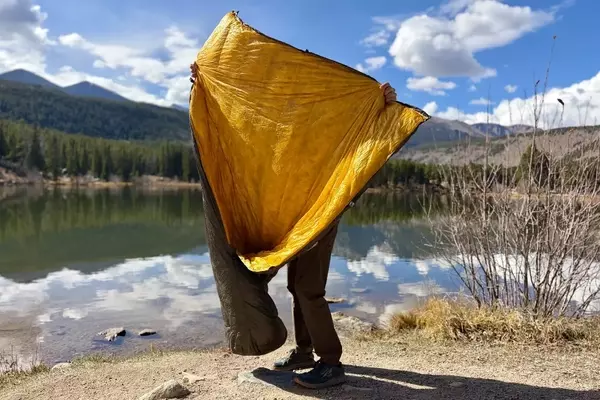
Maintaining hiking equipment is another productive winter activity. Organizing gear closets, decluttering, and performing necessary repairs extend the lifespan of cherished items and streamline packing for future trips. Cleaning gear, from sleeping bags to waterproof layers, is essential for hygiene and performance, guaranteeing that equipment is in optimal condition when the season changes. These practical tasks, though seemingly mundane, contribute significantly to a more enjoyable and hassle-free hiking experience.
Embracing winter's unique offerings can lead to unexpected joys. Trying new snow sports, such as snowshoeing, skiing, or ice skating, offers a fresh perspective on the outdoors and can even temper the longing for summer hikes. Night hiking, though initially daunting, provides a chance to connect with nature in a distinct way, moving the body even when daylight is scarce. These diverse activities, whether solitary or shared, ensure that the passion for the outdoors remains vibrant throughout the "Big Dark."