Trending Searches
Beyond the Scales: Prioritizing Muscle and Fueling for Cyclist Performance
Historically, the cycling community has placed immense emphasis on a rider's weight, often viewing a lower number on the scale as the ultimate path to speed and success. This pervasive belief, influenced by the lean physiques of professional climbers, has led many to pursue an elusive 'race weight' through restrictive diets and rigorous training. However, this perspective overlooks a critical truth: for most cyclists, especially amateurs, masters, and those not competing in Grand Tours, sustained power, fatigue resistance, and overall well-being are far more important than mere lightness. Striving for an excessively low body weight, particularly through methods that lead to muscle loss, can severely undermine performance, compromise recovery, and increase the risk of injury.
Achieving a healthy balance between body composition and athletic performance is paramount. While shedding excess weight can be beneficial, it must be approached with caution to protect valuable muscle mass, which is fundamental for generating power and ensuring durability on the bike. Expert opinions highlight that on flat terrains, a reduction in body weight has minimal impact on performance, and if this weight loss includes muscle, power output can actually decrease. The allure of rapid weight loss, fueled by various dieting trends and even pharmaceutical interventions, often results in sub-optimal training and hindered recovery. Instead, a strategic approach that integrates strength training and meticulous nutritional planning is crucial. By consuming adequate protein, particularly after workouts, and ensuring sufficient carbohydrate intake for demanding sessions, cyclists can safeguard muscle, maintain training quality, and enhance their overall physical resilience.
Ultimately, a cyclist's focus should shift from an arbitrary number on the scale to a holistic understanding of their body's needs. The experience of Ronny Jansson, who transformed his cycling performance and well-being through strength training, exemplifies this philosophy. Despite a challenging physical history, his commitment to building a strong, functional body allowed him to conquer endurance challenges and enjoy a more robust cycling life. This narrative underscores that performance and health are not solely dictated by weight, but by consistent, well-fueled training, thoughtful recovery, and the development of comprehensive physical strength.
Embracing a balanced approach to cycling, prioritizing strength, proper nutrition, and mindful training over a relentless pursuit of a low number on the scale, is key to sustainable performance and lifelong enjoyment of the sport. By focusing on building a resilient and powerful body, cyclists can unlock their true potential, ensuring not only faster rides but also a healthier, more fulfilling journey both on and off the bike. The true measure of success lies in how well your body functions and how good you feel, rather than simply how much you weigh.
Related Articles

Pregnant Cyclist Sarah Sturm Completes The Traka 100, Defying Expectations
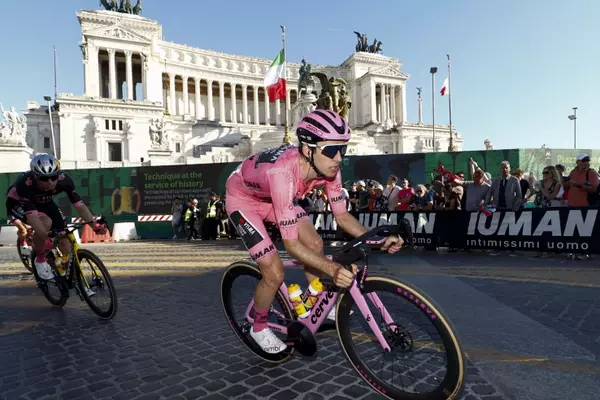
Giro d'Italia 2026: Comprehensive Guide to Live Streaming and Race Details