Trending Searches
Cycling Commute: Lycra vs. Regular Clothing
When preparing for a bicycle commute, riders often face a decision: don professional cycling attire or opt for everyday clothing? This article summarizes a comparative test conducted by road.cc, exploring the practicalities and benefits of each choice. The findings highlight the trade-offs between performance-oriented gear and the convenience of standard clothing, ultimately suggesting that while specialized kit offers advantages in comfort and speed, the practicality of an e-bike might be the ultimate solution for many.
Commuting Chronicles: An Experiment in Attire
On a Tuesday, September 15, 2026, cycling enthusiasts Dave and Liam embarked on a detailed commuting experiment. Their mission: to evaluate the difference between riding an 8.2-kilometer route from Saltford to the Bath office in full Lycra cycling gear versus their regular work clothes. This distance represents the average UK bike commute, making their findings particularly relevant to daily riders.
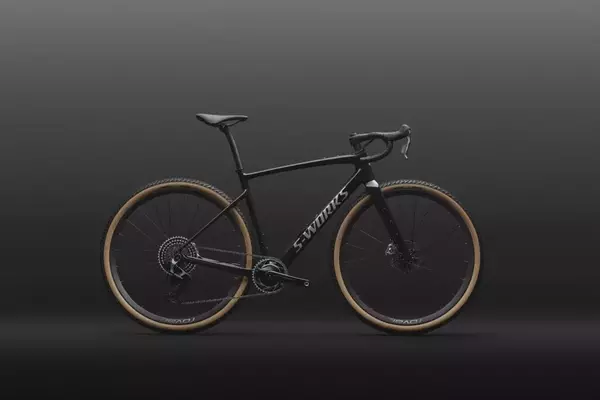
The initial observation centered on comfort. Liam noted that his suit trousers were significantly restrictive, especially around the hip area, a stark contrast to the freedom provided by cycling shorts. Dave, in smart casual attire, found more ease, though jeans proved unsuitable for cycling. Specialized cycling denim offers a potential compromise for those wishing to maintain a casual look. For the type of road bikes used, cycling kit emerged as the more comfortable choice, designed to accommodate the riding posture. However, this discomfort might be mitigated on more upright city bikes.
Weather conditions, though mild with light winds and a temperature of 20ºC, led to considerable perspiration in regular clothes. Arriving at the office in a sweaty suit was deemed undesirable for both personal comfort and workplace etiquette. The report also touched upon the challenges of rainy commutes; while no attire is perfect in downpours, work clothes are vulnerable to getting soaked. Waterproof overlays can help, but intense exertion still leads to sweat. Lycra, despite not being waterproof, dries quickly, allowing riders to change into work clothes upon arrival and potentially have dry gear for the return journey.
Regarding performance, the casual commute took 23 minutes and 5 seconds with an average power output of 106 watts. In comparison, the ride in cycling kit was quicker, completing the route in 21 minutes and 5 seconds, with an average power of 117 watts. While a two-minute time saving was observed, the testers acknowledged that the time spent changing in and out of cycling kit could negate this advantage. They also cautioned that urban cycling tests, with unpredictable traffic and stoplights, are inherently imprecise for measuring speed differences.
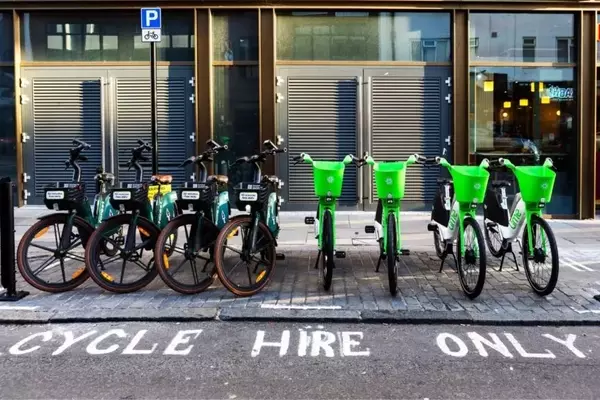
Ultimately, both Dave and Liam concluded that the enhanced comfort and freshness experienced in cycling kit outweighed the brief time investment required for changing. They found it challenging to pinpoint a specific distance where cycling kit becomes indispensable, as factors like elevation and bicycle type play a significant role. However, a unanimous consensus was reached: for commuting, particularly on hilly routes, an electric bicycle (e-bike) offers the optimal balance of comfort, speed, and practicality.
This experiment provides valuable insights for everyday commuters. While cycling-specific apparel undeniably enhances the riding experience in terms of comfort and efficiency, the real-world implications of changing clothes at either end of the journey often lead to a re-evaluation of its necessity. For many, especially those with shorter commutes or on flatter terrain, regular clothes might suffice. However, for longer, more challenging rides, or when the goal is to arrive fresh and ready, specialized gear, or better yet, the assistance of an e-bike, presents a compelling advantage. The choice ultimately hinges on individual priorities, balancing speed and comfort against convenience and practicality.