Trending Searches
Cycling News Live: 20mph Speed Limit Debates, Tour of Britain, and Cycle Lane Controversies
New regulations regarding speed limits and cycling infrastructure are sparking significant public debate. In Scotland, the introduction of expanded 20mph zones by councils in Dunfermline and Glasgow, driven by a national strategy for safer roads and active travel, has met with mixed reactions. While proponents emphasize enhanced safety and encouragement for walking and cycling, some motorists have voiced strong objections, citing concerns about inconvenience and perceived overreach. Social media platforms have become a forum for these disagreements, with some drivers mockingly questioning the motives behind such policies and others making light of the impact on driving experience. These discussions underscore the tension between promoting active transportation and accommodating traditional vehicle use.
Meanwhile, the cycling world is abuzz with the start of the Lloyds Tour of Britain Men, a major event attracting top talent. The race promises exciting competition across various stages, with renowned sprinters like Tim Merlier and Olav Kooij, both Tour de France stage winners, expected to vie for victories. Teams such as UAE are fielding strong lineups, with riders like Tim Wellens anticipated to perform well. The opening stages, including a challenging circuit in Lincoln with steep climbs, are poised to deliver thrilling spectacles. Beyond the competitive aspect, the event also offers a unique cultural experience, as international athletes pass through distinctly British locales, creating memorable and often amusing contrasts.
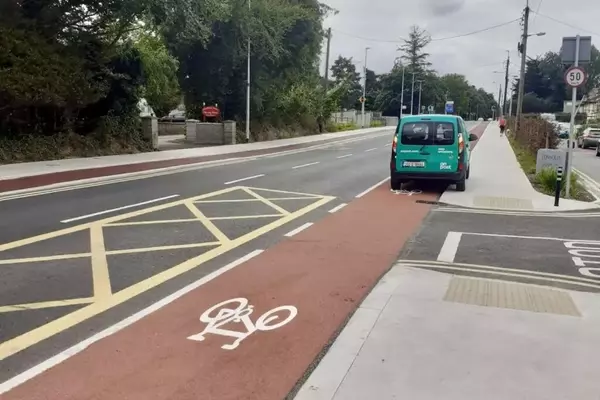
Adding to the ongoing dialogue about cycling, an Irish Member of Parliament has made headlines with controversial remarks concerning cycle lanes. The politician's assertion that "massive" cycle lanes are "taking over the streets" has been widely scrutinized, particularly given that only a small amount of new cycling infrastructure has been developed in the town in question over the past decade. This incident highlights the political rhetoric surrounding urban planning and the public perception of cycling initiatives. Such comments often ignite broader discussions about resource allocation, urban mobility, and the balance between different modes of transport within communities.
The continuous evolution of urban and national transport policies, especially those pertaining to cycling and road safety, represents a commitment to creating more livable and sustainable communities. Despite the challenges and occasional public resistance, the long-term benefits of promoting active travel, reducing speed limits in residential areas, and investing in cycling infrastructure are undeniable. These initiatives not only enhance the safety of vulnerable road users but also contribute to a healthier environment and foster a more active lifestyle for all citizens. It is through sustained effort and constructive dialogue that we can move towards a future where roads are shared harmoniously and efficiently.