Trending Searches
Cyclists Face Potential Fines and Sanctions for Red Light Violation at Tour of Flanders
A significant controversy has emerged from Sunday's Tour of Flanders, where 54 riders, approximately 70 kilometers into the race, bypassed a red light at a railway crossing. This action has drawn the attention of the Belgian prosecutor's office, initiating an investigation into what is considered a serious traffic offense in the country.
Among the cyclists implicated were leading competitors such as Tadej Pogačar and Remco Evenepoel, who proceeded through the crossing before the barriers fully descended. This split the peloton, with other notable riders like Mathieu van der Poel and Wout van Aert being halted behind the closing barriers. Pogačar later expressed frustration at the post-race press conference, questioning the feasibility of an instant stop given the high speeds involved. Despite the race organizers' decision not to disqualify the riders, instead neutralizing the race for a few kilometers to allow the groups to merge, the Belgian prosecutor's office emphasized the grave risks posed by such violations to both participants and the public. They affirmed a strict approach to enforcement, highlighting that such actions are unacceptable even within a sporting context, mirroring the sentiments of UCI regulations against crossing closed or closing level crossings.
Soudal Quick-Step's sports director, Sep Vanmarcke, echoed the riders' perspective, noting the challenges of sudden stops at high speeds and emphasizing a shared responsibility among organizers and authorities to ensure safety by providing timely warnings about train schedules. While no official fines have been imposed by the prosecutor's office regarding this incident, Pogačar and Evenepoel had already incurred separate fines for minor infractions such as littering and a 'sticky bottle' offense. The involved riders now face the possibility of further penalties, including potential out-of-court settlements, as the legal investigation progresses.
This incident underscores the critical balance between the competitive nature of professional cycling and the imperative of public safety and legal compliance. It calls for enhanced communication and preventative measures from event organizers to safeguard riders and ensure adherence to traffic laws. Upholding regulations not only prevents accidents but also reinforces the integrity and public perception of the sport, fostering an environment where competitive spirit coexists with responsible conduct.
Related Articles
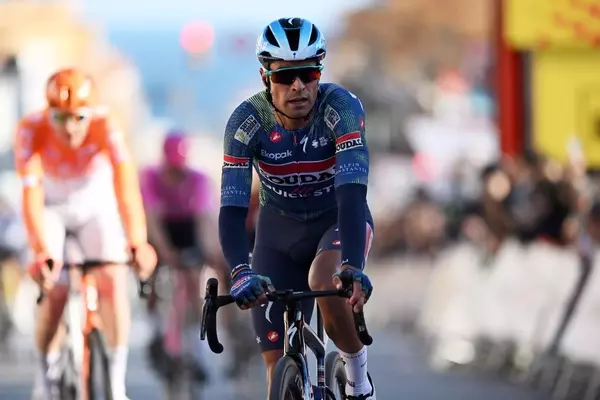
Cyclist Mikel Landa Involved in Collision with Race Official's Vehicle During Itzulia Basque Country Event

A Cyclist's Journey: Overcoming a Mystery Heart Condition to Bike Around the World