Trending Searches
Disability Advocates Challenge 'Floating' Bus Stop Safety Amidst Tour de France Developments
Navigating Urban Infrastructure and Sporting Challenges
Floating Bus Stops: A Renewed Scrutiny Over Accessibility
Floating bus stops, designed to streamline traffic for cyclists and scooter users while enabling pedestrian access to buses, are once again at the center of controversy. Initially conceived as an innovative solution, these designs have sparked considerable debate. Earlier reports highlighted objections from motorist groups regarding a single zebra stripe connecting a sidewalk to a bus stop, underscoring broader resistance to cycling infrastructure.
Political Maneuvering and Disability Rights Concerns
In 2024, a potential ban on floating bus stops, considered by the Conservative Transport Secretary, drew sharp criticism from cycling advocates. Now, media outlets are spotlighting allegations that the government has disregarded its own expert advice. A report from the Disabled Persons Transport Advisory Committee (DPTAC), obtained through a Freedom of Information request, suggests that the concerns of disabled and vulnerable individuals regarding these bus stops have been downplayed. The report recommended halting further installations until comprehensive research is completed, with an emphasis on implementing effective measures to ensure cyclist awareness and prioritize pedestrian safety.
Distinguishing Design Types and Persistent Criticism
The core of the discussion lies in differentiating between two infrastructure types: the 'shared use bus stop boarder,' where pedestrians directly board from the cycle lane (since banned), and the 'bus stop bypass,' which positions the bus stop on an island accessible via a small zebra crossing over a cycle lane. Despite distinct designs and the use of physical barriers and varied surfaces for segregation, activists remain unsatisfied. Sarah Gayton of the National Federation of the Blind of the UK has suggested potential breaches of ministerial conduct, accusing the government of misleading Parliament and, implicitly, treating disabled people with disrespect. The Guide Dogs charity has also reported that their assistance dogs show an instinctive avoidance of these bus stops, perceiving them as unsafe environments.
Government Response and Unresolved Debates
In response to the mounting criticism, the Department for Transport has indicated that additional research is underway and has pledged to prioritize accessibility in design, allocating funds to local authorities for necessary modifications to existing floating bus stops. However, it is clear that this contentious issue is far from being settled, with ongoing discussions anticipated.
Highlights from the Tour de France: Trials and Triumphs
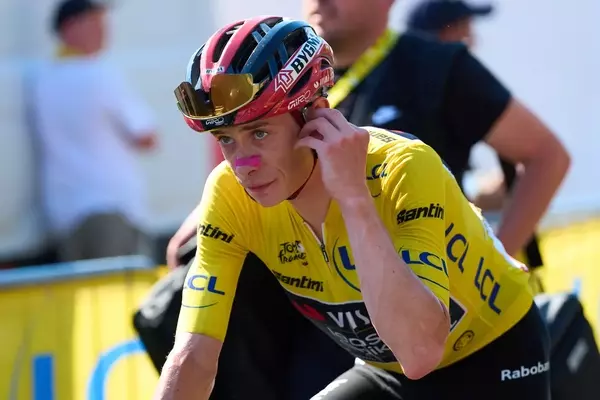
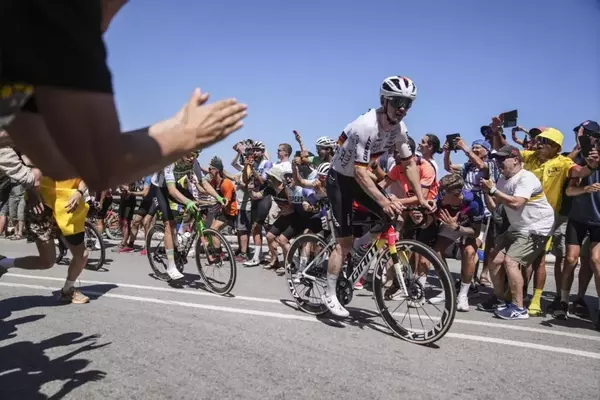
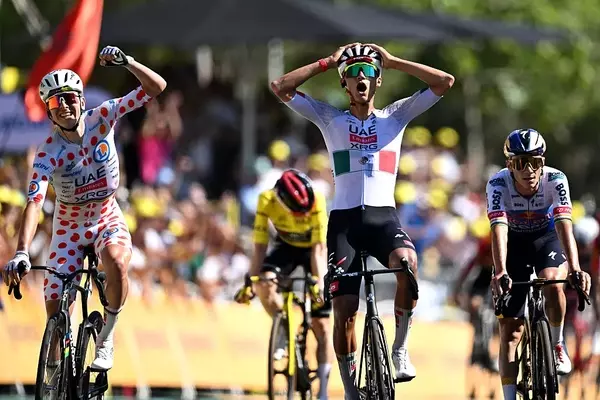
Away from the infrastructure debate, the Tour de France has presented its own set of challenges and talking points. The experimental team time trial format has generated varied reactions among professionals and fans alike. Amidst extreme heatwaves, EF CEO Jonathan Vaughters has emphasized the cycling world's responsibility in addressing the climate crisis, urging teams to strive for carbon neutrality. The race has also seen stages affected by wildfires, leading to unprecedented measures such as closing the final kilometers of a stage to spectators. Off-beat incidents, like a fan dressed as a banana causing a near-disruption, have added quirky moments to the event. Furthermore, discussions around cycling trends, the evolution of race bikes, and the remarkable performance of emerging talents like Paul Seixas have captivated enthusiasts.