Trending Searches
Expert Advice for Extended and Rapid Gravel Cycling
Embarking on challenging gravel adventures demands specific knowledge to transform tough rides into enjoyable experiences. Over recent years, as gravel cycling has grown, so has the understanding of what makes a ride successful. This guide compiles nine crucial lessons learned through personal experience, designed to help riders go further, faster, and have more fun on their gravel bikes.
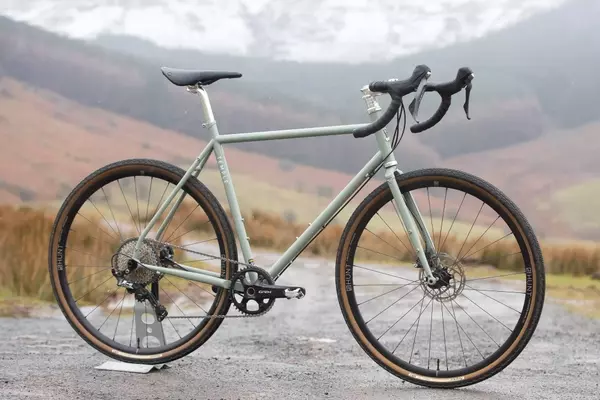
Optimizing your bike’s setup is paramount for tackling varied gravel conditions. Tire selection, including width, tread pattern, and pressure, profoundly impacts grip, comfort, and speed, often more so than on paved roads. Gearing is another critical factor; lower gears are essential for steep, loose climbs, prioritizing leg preservation over ego. While aerodynamics are beneficial for maintaining speed on open stretches, handling and control remain supreme, emphasizing confidence in descending as a free pathway to increased speed. Practical considerations like effective fueling strategies, which are more challenging on rough terrain, and the often-overlooked benefits of generous tire clearance, such as easier mudguard fitting and better mud shedding, significantly contribute to a better riding experience. Furthermore, modern gravel bikes, like the Colnago G5-X, can perform exceptionally well on roads, offering stability for long distances, although the concept of a single 'versatile' bike may come with hidden costs when considering wheelset changes.
Ultimately, the spirit of gravel riding is about freedom and personal enjoyment. While some riders chase speed and endurance, the most profound lesson is that there are no rigid rules. Gravel cycling can be whatever you make it – sometimes the most rewarding rides are simply those where you disconnect from metrics, embrace the scenery, and revel in the pure joy of the ride. This freedom to define your own experience is what truly sets gravel cycling apart.