Trending Searches
Hooked vs. Hookless Rims: The 2026 Tour de France Debate
In the highly competitive world of professional road cycling, every marginal gain is scrutinized, and equipment choices are paramount. The 2026 Tour de France provides a compelling snapshot of this, particularly concerning wheel technology. While hookless rims offer theoretical advantages such as reduced weight, simplified production, and potential aerodynamic benefits, their adoption in the professional peloton remains limited. The primary reasons for this hesitance revolve around persistent safety concerns, the complexities of tire compatibility, and a lack of clear, universally accepted regulatory standards. This situation has led to a divided opinion among teams, manufacturers, and riders, highlighting a significant debate within the sport's technical landscape. This article explores the current state of hooked versus hookless rims, examining the factors influencing their use and what the future might hold for these competing technologies.
The introduction of hookless rims into road cycling draws heavily from their earlier success in mountain biking and gravel cycling, disciplines where lower tire pressures and wider tires are the norm. The fundamental concept of hookless design removes the small lip, or bead hook, present in traditional hooked rims. This modification aims to reduce manufacturing complexity, decrease overall rim weight, and potentially enhance aerodynamic performance by creating a smoother transition between the tire and the rim. Proponents, such as Zipp, argue that these designs lead to improvements in rolling efficiency and handling, alongside enhanced durability due to more effective carbon material utilization.
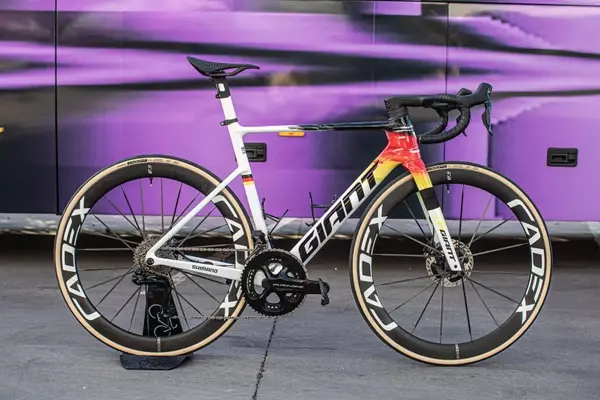
However, the real-world application in high-pressure road cycling environments has proven more challenging. Safety incidents, such as a prominent tire separation during the 2024 UAE Tour involving Zipp hookless rims, have fueled skepticism. Although manufacturers like Cadex and Zipp have issued statements affirming the safety of their products and detailing rigorous testing, these events underscore the critical importance of tire-rim compatibility. The lack of a unified standard between the European Tyre and Rim Technical Organisation (ETRTO) and the International Organization for Standardization (ISO) further complicates matters. These discrepancies mean that a tire deemed safe by one standard might not be compatible with certain hookless rims under another, leading to a confusing landscape for both professionals and consumers.
This compatibility conundrum is a major deterrent for many professional teams. While brands like Cadex and Zipp publish detailed compatibility charts, these lists are often extensive and specific, ruling out many popular tire models. For instance, Cadex's internal testing found several Continental GP5000 TL and Vittoria Corsa TLR widths to be incompatible with their hookless rims. This necessitates teams to meticulously match specific tires with specific hookless rims, often limiting their choices. In contrast, hooked rims offer broader compatibility, allowing teams more flexibility in tire selection without compromising safety, which is a crucial consideration when every race can be decided by fractions of a second and equipment reliability is paramount.
Despite the ongoing debate, some manufacturers continue to innovate within the hookless space. Enve, for example, introduced its SES 4.5 Pro wheelset with a "micro-hook" design, aiming to balance weight savings with improved impact performance and pinch-flat resistance. Similarly, Reserve utilizes a "semi-hooked" design, citing its ability to accommodate reasonable tire pressures without compatibility issues while simplifying tubeless tire installation. These hybrid approaches reflect an industry-wide effort to harness the benefits of hookless technology while mitigating its perceived drawbacks. Nevertheless, the professional peloton's cautious adoption suggests that until a definitive and universally accepted solution for compatibility and safety emerges, hooked rims will likely maintain their dominance due to their proven track record of reliability and versatility.
The discussion surrounding hooked versus hookless rims at the Tour de France reveals a complex interplay of innovation, safety, and performance demands. While the theoretical advantages of hookless designs—such as reduced weight, streamlined manufacturing, and potential aerodynamic gains—are compelling, the practical challenges, particularly concerning tire compatibility and safety standards, have slowed their widespread adoption. Many wheel manufacturers and professional teams prioritize the established reliability and broader tire compatibility offered by traditional hooked rims. The cycling industry continues to grapple with the intricacies of rim and tire integration, with some brands pursuing hybrid solutions or maintaining their commitment to hooked designs until more robust and universally recognized standards can guarantee both performance and rider safety in the demanding environment of professional road racing.