Trending Searches
Leading UK Cycling Distributor Saddleback Enters Administration Amid Industry Downturn
Turbulence in the UK Cycling Market: A Distribution Giant Falls
Saddleback Faces Financial Hardship
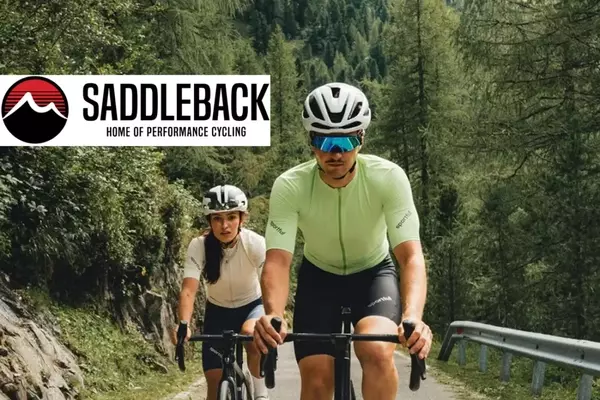
Reports indicate that Saddleback, a leading distributor of cycling equipment in the United Kingdom, has initiated the process of administration. This development suggests considerable financial strain for the company, which is a key player in bringing popular cycling brands to the UK market.
Widespread Job Losses
Following the decision to enter administration, a substantial number of employees have been affected. Information from various sources confirms that 42 individuals have lost their positions, underscoring the severe impact of the company's financial struggles on its workforce.
Loss of Key Brand Partnerships
The company's difficulties were exacerbated by the departure of significant brand partners. Notably, Cannondale bikes transitioned away from Saddleback's distribution model, opting for a direct-to-dealer approach. This change, which occurred after a relatively short partnership, was described by Saddleback in its financial records as a 'transformative' relationship, highlighting the blow its termination delivered. Earlier in the year, high-end wheel and bike brand Enve also ceased its distribution agreement with Saddleback, further contributing to the company's precarious financial situation.
Financial Performance and Market Downturn
Despite an initial increase in revenue, largely attributed to the Cannondale deal, Saddleback's financial health remained fragile. Filings with Companies House revealed a pre-tax loss of £1.6 million in the year ending January 2025, an improvement from the previous year but still indicative of significant losses. This aligns with a broader trend of UK cycling businesses struggling since the pandemic, facing challenges such as an oversupply of products and a decrease in consumer demand, compounded by a cost-of-living crisis.
Broader Industry Implications
Saddleback's administration is not an isolated incident but rather a symptom of a more extensive downturn within the UK cycling sector. Several other prominent cycling businesses, including Frog, i-ride, and Moore Large, have also entered administration in recent years. Even consumer-facing giants like WiggleCRC have faced similar fates, eventually being acquired by larger retail groups. These events collectively paint a picture of a challenging and volatile market environment for the cycling industry in the UK.