Trending Searches
The Legacy of Bates Volante: A Track Cycling Marvel
While the ubiquitous diamond-shaped bicycle frame has dominated design since the late 19th century, its emergence also ignited an era of profound ingenuity. Frame builders were driven to innovate within this established structure, yet dared to transcend its limitations, leading to a golden age of unique bicycle architecture.
The early to mid-20th century marked a flourishing period for inventive cycling designs. Manufacturers like Hetchins, with their distinctive curly stays, and Paris, known for its elevated downtube, introduced features that set their creations apart. Thanet pioneered the floating bottom bracket, while Bates distinguished itself with proprietary Cantiflex frame tubing and innovative Diadrant front forks. The effectiveness of these advancements in improving performance remains a subject of debate, though they undoubtedly served as powerful marketing tools, especially during periods like the 1930s when race regulations prohibited visible brand logos on frames.
A prime example of this inventive spirit is a 1938 Bates Volante, a top-tier track model, which is particularly rare due to its undrilled frame—a common modification for brakes even on track-specific bikes. Its unique serial number, lacking the usual preceding letters, suggests it might have been custom-built for a professional rider. The Cantiflex tubing, exclusively developed for Bates by Reynolds, showcases a distinctive profile: main tubes swell at the center and gently taper towards the lugs, a design Bates claimed eliminated 'whip' and enhanced rigidity. Furthermore, the flamboyant Diadrant forks were engineered to absorb road shocks, allowing riders to maintain consistent power output. Though the current wheels are not original, their period-correct laminated maple rims from Constrictor and large flange hubs from BH Airlite add to the bike's historical authenticity and allure.
The ingenuity displayed in these vintage bicycles, with their bespoke components and forward-thinking designs, reminds us that true innovation often arises from challenging existing paradigms. These machines are not merely relics of the past but testaments to human creativity and the enduring quest for performance and aesthetic excellence. They inspire us to appreciate how constraints can sometimes fuel the most imaginative solutions, leaving a lasting legacy that continues to captivate enthusiasts today.
Related Articles
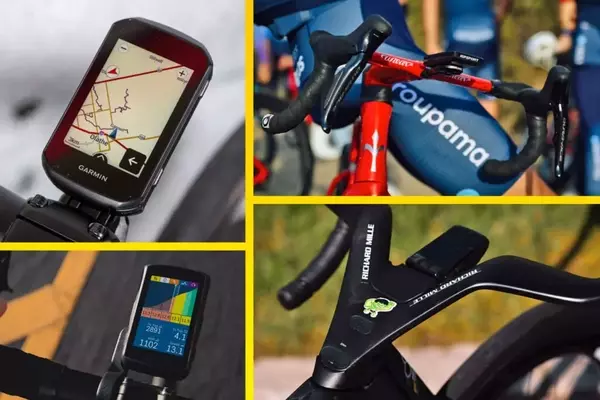
Leading Bike Computers at the Tour de France: Garmin Dominance and the Rise of Chinese Brands

Tern Introduces Upgraded HSD Electric Cargo Bike with Enhanced Features