Trending Searches
Mastering Buck Rub-Line Hunting: A Comprehensive Guide
For over three decades, the author has dedicated himself to perfecting strategies for hunting mature bucks by meticulously studying rub lines. What once began as a casual observation has evolved into a primary and highly effective method for harvesting substantial deer. This extensive experience has yielded crucial insights into buck behavior, transforming rub lines from mere curiosities into vital components of a successful hunting plan. Hunters keen on elevating their game would do well to integrate these proven rub-line tactics into their own repertoire, embracing a method refined through years of dedicated field research and observation.
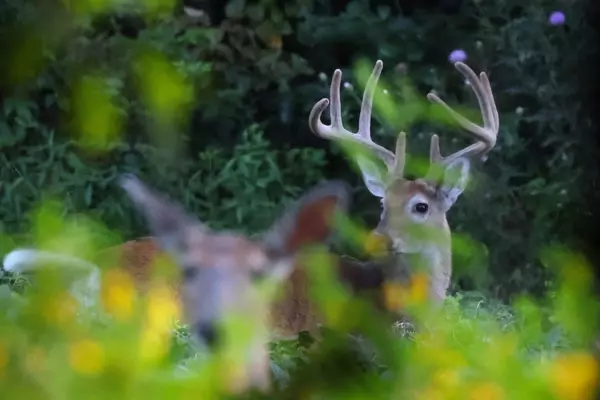
Understanding the significance of rub lines begins with recognizing what constitutes an important rub. While smaller bucks may occasionally utilize larger trees already marked by dominant deer, the presence of substantial rubs on sizable trees almost invariably indicates the presence of a mature buck in the vicinity. The author recounts a seminal experience from over thirty years ago where large rubs on thick spruce trees led to the eventual harvest of a 13-point buck scoring over 180 inches. This observation has been consistently supported by subsequent findings: mature bucks, regardless of antler size, tend to favor larger trees for rubbing. Consequently, rub lines featuring forearm-sized or larger marks serve as critical indicators, prompting further investigation with scouting cameras to confirm the presence of trophy-worthy game.
Rub lines exhibit considerable variability in their characteristics, encompassing differences in length, the total number of rubs, and the density of buck activity. The author details encountering a two-mile-long rub line in northern Wisconsin, meticulously created by a buck whose extensive travels were necessitated by the scarce food and low doe populations in his wilderness habitat. Conversely, another buck's rub line spanned a mere half-mile, confined to a 60-acre strip of riverside cover between its bedding area and a rich alfalfa field. These examples underscore that a buck's environment and available resources heavily influence the scale and intensity of its rub-line activity. Such varied patterns highlight the need for flexible hunting strategies tailored to specific rub-line characteristics rather than a one-size-fits-all approach.
The advent of scouting cameras has revolutionized the ability to track buck movements along rub lines, transforming travel time assessment from guesswork into a data-driven process. These devices allow hunters to pinpoint the exact locations and times when targeted bucks are active. However, deploying and checking trail cameras requires utmost caution. Mature bucks are highly sensitive to human scent and presence, and repeated disturbances can cause them to abandon established routes, thus compromising the effectiveness of the rub line. The author's strategy involves placing cameras strategically to minimize human interference, allowing the technology to gather intel without alerting the deer. This discreet approach ensures that the valuable information gleaned from camera footage accurately reflects the buck's natural habits and travel patterns.
While rub lines can be productive at various times, the late pre-rut period stands out as the most opportune time for hunting. In regions like northern Wisconsin, this typically falls in the last week of October, a time when mature bucks are increasingly active during daylight hours and have yet to abandon their core territories in pursuit of does. During this phase, bucks are most comfortable along their established rub lines, making these areas ideal for calling them in. The author strongly advocates for employing rattling and grunting sequences during both morning and evening hunts in the pre-rut. He recounts a successful bowhunt in South Dakota where aggressive rattling followed by subtle grunts lured a 150-class buck within fifteen yards, illustrating the potency of this tactic when applied at the right time.
Beyond the late pre-rut, the post-rut period also presents significant opportunities for hunting along rub lines. Once the intense rutting activity subsides, mature bucks generally return to their core areas. After a period of recuperation, they resume traveling along their familiar rub lines, mirroring their pre-rut movements. Although much of this post-rut travel occurs under the cover of darkness, there remains a chance to encounter a buck moving during daylight hours, particularly with the approach of winter storms. The author describes taking his largest bow-killed whitetail during a late-season hunt in mid-December, a testament to the potential rewards of sustained vigilance even after the primary rut has concluded. This emphasizes that understanding the seasonal shifts in buck behavior is crucial for maximizing hunting success.
Over the years, a distinct pattern has emerged regarding bucks' preferences for certain tree species for rubbing. Some bucks exhibit a strong affinity for specific types of trees; for instance, the author observed a deep-woods buck consistently rubbing on thick spruce trees, while another favored forearm-sized poplars. Universally, bucks show a preference for trees with softer bark and a more pungent odor. In the upper Midwest, pine, cedar, poplar, and tag alder are common choices, though these preferences vary regionally. This selective behavior suggests that hunters can gain an advantage by identifying and targeting these preferred tree species within a buck's habitat, as they often indicate high-traffic areas for rubbing activity.
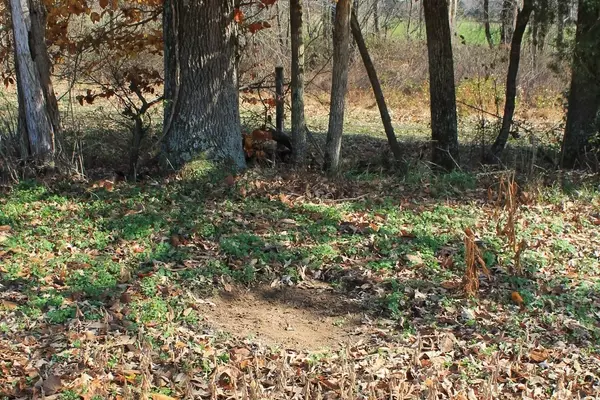
Certain locations along buck travel routes serve as 'staging areas' or 'gyms' where bucks frequently pause to create concentrated rubs. These areas are veritable hotspots for mature buck activity during the pre-rut. While some dominant bucks avoid open feeding areas during daylight, they may be encountered in these staging zones. The author vividly recalls an evening hunt where he harvested a 10-point buck from such a staging area, after observing multiple bucks, including larger ones, engaged in rubbing activities. These areas become increasingly active and frequented during daylight as the pre-rut progresses, reaching a peak just before the onset of breeding. However, activity dramatically declines once the rut begins, highlighting the importance of timing and careful observation for successful hunting in these specific zones.
Through years of close observation, it's clear that no two whitetail bucks display identical rubbing patterns, though similarities exist. Each rub-line scenario is unique, necessitating an adaptive mindset when scouting and hunting. Maintaining an open mind and continuously experimenting with strategies can lead to discovering new tactics that significantly boost success rates in targeting large bucks.