Trending Searches
Optimizing Your Fishing Boat's Livewell System: A Comprehensive Guide
A successful fishing trip heavily relies on the vitality of your live bait. This comprehensive guide provides an in-depth look into designing and optimizing your boat's livewell system, a crucial element often underestimated. We will cover everything from the ideal dimensions and strategic placement of livewells to the complexities of pump mechanisms, water circulation, and even the aesthetic choices that influence bait health. Understanding these elements is key to preventing premature bait mortality and ensuring a productive day on the water, making the initial outfitting of your vessel with a superior bait management system an investment that pays dividends.
Proper livewell configuration and maintenance are essential for keeping bait vigorous and effective. The right system avoids the frustration of depleted bait supplies, which can abruptly end a promising fishing expedition. By focusing on critical design choices during the boat's construction, such as tank shape, location, and the integration of advanced pumping mechanisms, anglers can significantly enhance their bait's longevity. Furthermore, attention to details like internal lighting and color can reduce bait stress, reinforcing the importance of a well-thought-out livewell setup for any serious angler.
Strategic Livewell Design and Placement
Choosing the appropriate livewell involves more than just size; its shape, position, and internal features play a significant role in bait health. Round or oval tanks are preferred to prevent bait from injuring themselves by hitting corners, allowing them to swim naturally. Maximizing capacity is always recommended, as having more space for bait is preferable to overcrowding, which can lead to stress and mortality. Thoughtful placement, particularly towards the stern of the boat, minimizes movement and provides a calmer environment for the bait, while also considering accessibility for the angler.
The location of your livewells profoundly impacts their effectiveness. Placing them aft, from amidship to the transom, provides the most stable environment for bait, minimizing the jarring movements experienced in rough waters. This strategic positioning also influences the boat's balance, especially with the considerable weight of water in larger tanks. While transom livewells are common for their accessibility, in-deck options, particularly in the forward section, offer an even calmer environment, especially when a boat is equipped with stabilization systems. The decision should also account for ease of use, ensuring that anglers can efficiently net and transfer bait without discomfort or injury. Additionally, innovative designs like clear lids and specific internal colors are now being utilized to reduce bait shock and maintain a serene habitat.
Advanced Pumping and Water Management Systems
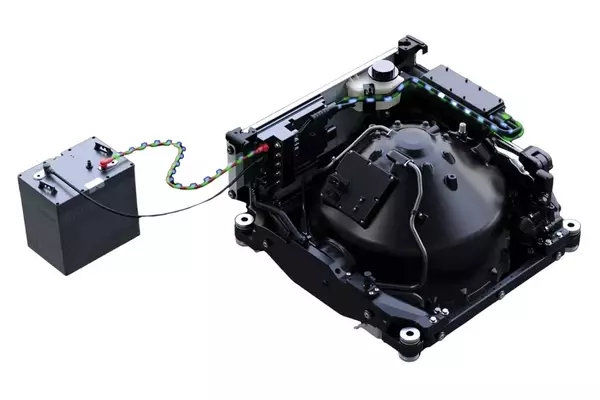
The heart of any effective livewell system lies in its pumping mechanism, which ensures continuous fresh water circulation. Modern systems utilize advanced pump boxes or sea chests that adapt to various hull designs and fishing requirements, from simple setups to complex configurations with multiple pumps and manifolds. Redundancy in pumps is a critical feature, guaranteeing that a backup system is available should a primary pump fail, thus safeguarding your valuable bait supply. Furthermore, the strategic placement of these systems below the waterline is crucial for maximizing flow efficiency and preventing air locks.
Efficient pump systems are paramount for maintaining water quality and oxygen levels within the livewell. Water intake, whether through high-speed transom pickups for step-hulls or through-hull pickups for V-shaped monohulls, is tailored to ensure optimal water flow and aeration. The integration of a manifold system allows for the distribution of water to multiple livewells and other on-board accessories that require cooling, such as generators and gyrostabilizers. Crucially, composite manifold designs and the avoidance of sharp 90-degree turns in plumbing are vital for maintaining flow rates and system longevity. Pressurized systems, capable of keeping livewells completely full while underway, prevent bait from sloshing and becoming injured, with control valves offering adjustability for different fishing conditions. These sophisticated systems, including air-relief valves to prevent air locks, are designed to create a stable and healthy environment for your bait, showcasing the evolution of livewell technology from basic containers to highly engineered ecosystems.