Trending Searches
Shimano's New SPD-SLR Pedals: A Cyclist's Initial Impressions and the Compatibility Conundrum
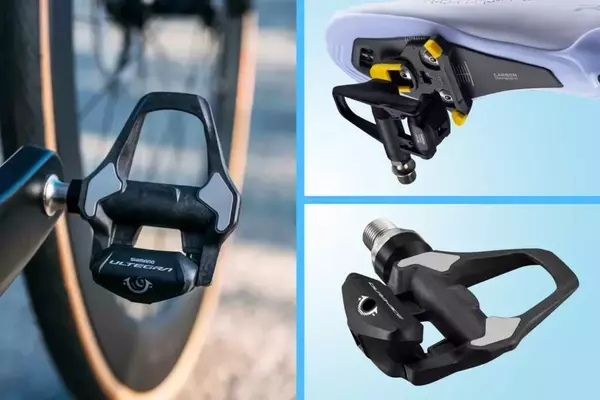
Shimano has recently launched its new SPD-SLR pedal and cleat system, a significant update to its road cycling components. While the previous SPD-SL design has been a staple since 2003, this new iteration introduces a lack of backward compatibility, which could be a point of contention for many cyclists. The author undertook a secret test ride of the Dura-Ace SPD-SLR pedals paired with the latest RC910 shoes prior to their official release, offering a comprehensive assessment of their performance and potential drawbacks.
During the testing phase, the process of attaching the new cleats to the RC910 shoes was straightforward, although the author noted the absence of a reminder tab, a feature found in other brands like Look's Keo design, which would simplify cleat alignment. Despite this, the overall riding experience with the SPD-SLR system was described as highly enjoyable, especially with the enhanced 10.5-degree engagement angle, which facilitates easier clipping in. While the new system offers a smooth and stable feel, a substantial improvement over the older SPD-SL pedals in terms of clip-in ease was not overtly apparent, suggesting that the established system was already proficient in this aspect. The redesigned pedal body and cleat aim to create a more integrated feel with the bike by reducing stack height, which Shimano claims fosters a deeper connection between rider and machine. The author found the pedals to be very stable, supporting Shimano's assertion of a connected feel, though the difference from the previous SPD-SL system was not dramatically pronounced.
A primary concern arising from this new system is its complete lack of compatibility with the existing SPD-SL standard. This means cyclists cannot interchange old and new components, potentially necessitating new shoes to accommodate the SPD-SLR pedals. This could represent a considerable financial outlay for riders. The rationale behind this design choice appears to be multifaceted; the new SPD-SLR design is covered by a fresh patent, potentially enabling Shimano to license its technology to other power meter pedal manufacturers, such as Garmin and Favero, thereby opening new revenue streams. The introduction of yet another standard in the cycling world, however, can be burdensome for casual riders and bike shops alike, complicating stock management and component knowledge. Despite these potential annoyances, the author appreciated the increased width of the new S-Phyre RC910 shoes, a feature that addresses a common request from dealers for wider fit options. Further evaluation is needed to fully understand the long-term comfort and compatibility with various existing shoes.
The evolution of cycling technology, while bringing advancements, also carries the responsibility of considering the user experience and accessibility. While innovation is crucial for progress, ensuring seamless transitions or offering clear pathways for adoption can foster greater community acceptance. Embracing new standards should ideally enhance performance without creating unnecessary barriers or financial burdens for enthusiasts. A balanced approach that values both cutting-edge design and user-centric compatibility ultimately strengthens the cycling community and promotes wider participation.