Trending Searches
The Ultimate Hunter's Packing Guide for Every Expedition
Embarking on a hunting trip requires meticulous preparation, as forgetting crucial items can transform an exciting outdoor adventure into a frustrating ordeal. This detailed guide aims to equip hunters with a comprehensive packing strategy, addressing both universal necessities and specialized equipment tailored to various hunting environments and game species. From the foundational items essential for any outing to bespoke lists for challenging terrains like the Western mountains, specific game such as whitetail deer or waterfowl, and unique circumstances like international or remote Alaskan expeditions, this resource is designed to eliminate oversight. By offering clear, actionable advice on gear, clothing, safety, and field dressing, it empowers hunters to approach their pursuits with confidence, ensuring they are well-prepared for every scenario and can maximize their chances of a successful and comfortable experience.
Hunters often find themselves in situations where a critical piece of equipment is missing, leading to inconvenience or even compromising the success of a trip. Whether it's something minor like gloves left behind or a significant oversight like forgetting ammunition, such incidents can derail an otherwise promising hunt. Many hunters tend to either overpack, carrying unnecessary bulk, or underpack, leaving essential items behind. The key to a successful hunting expedition lies in finding a balanced approach to packing, ensuring that every necessary item is included without overburdening oneself.
This guide meticulously categorizes packing requirements, starting with a general checklist applicable to all hunting trips. These foundational items include essential documents like licenses and tags, reliable communication devices, and mapping software with offline capabilities, highlighting the importance of administrative and navigational readiness. For weapons, whether a rifle, shotgun, or archery equipment, detailed lists cover everything from the primary weapon itself to spare ammunition, cleaning kits, and critical accessories like scope covers or bow releases. Optical gear, including binoculars, spotting scopes, and rangefinders, is also emphasized for effective scouting and target acquisition.
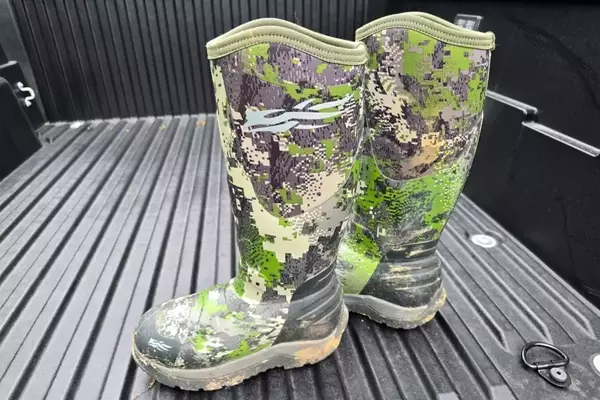
Clothing recommendations underscore the importance of layering for adaptability to changing weather, with specific mentions of base, mid, and outer layers, as well as appropriate headwear and gloves. Footwear is crucial, with advice on selecting primary hunting boots, packing extra socks for moisture management, and bringing camp shoes for comfort. Specialized items for calling game, such as bugle tubes for elk or grunt tubes for whitetail, are also listed. Safety and survival essentials, including first-aid kits, fire starters, and GPS devices, are highlighted as non-negotiable for any wilderness excursion. Furthermore, practical considerations for field dressing and meat care, like game bags, sharp knives, and coolers, are included to ensure humane and efficient processing of game.
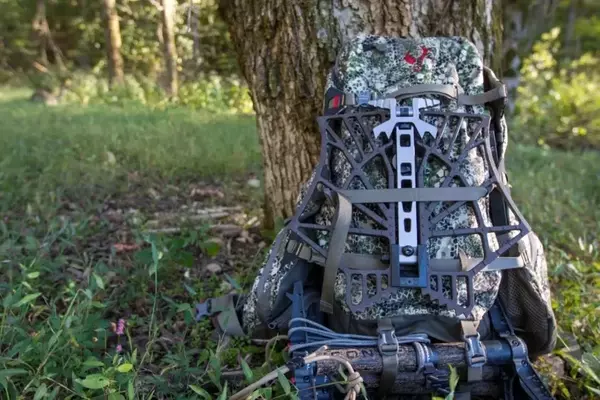
Beyond the general essentials, the guide delves into specific packing lists for different types of hunts. For Western elk or mule deer hunts, which often involve strenuous backcountry travel, additional items like multi-day packs with load shelves, trekking poles, and lightweight shelter systems are recommended. The emphasis here is on self-sufficiency and the ability to operate in remote, rugged terrain. Cooking and hydration systems, including portable stoves and water purification, are vital for extended stays in the wilderness. Specialized optics like tripods and bino harnesses aid in extensive glassing sessions, which are characteristic of these hunts.
Whitetail hunting, typically involving less mobility and more stationary waiting, calls for gear that prioritizes concealment and comfort in a tree stand or ground blind. This includes safety harnesses, scent control products, and quiet outerwear designed to minimize noise and visual detection. Hand and boot warmers are invaluable for maintaining comfort during long periods of inactivity in cold weather. Unique items like rattling antlers and grunt tubes are crucial for attracting whitetail. In contrast, pronghorn antelope hunts, often conducted in open plains under intense sun, require specific gear for long-range glassing and shooting, such as high-magnification scopes and shooting mats. Sun protection, including lightweight clothing and broad-brimmed hats, is paramount due to prolonged exposure.
Waterfowl hunting demands waterproof and insulating gear due to the wet and cold environments. Waders, waterproof gloves, and specialized blinds are essential for staying dry and hidden. Decoys and calls are central to attracting birds, and a thermos for hot drinks adds a touch of comfort. Upland bird hunting, which involves extensive walking, necessitates durable brush pants, uninsulated boots, and bird vests with ample shell loops. For hunters accompanied by dogs, specific gear like GPS tracking collars and canine first-aid supplies are crucial. Turkey hunting focuses on camouflage, effective calling, and motionless waiting, requiring full head-to-toe camo, various turkey calls, and lightweight seat cushions.
For hunts involving large predators like bear or mountain lion, safety is a primary concern. Bear spray, large-caliber sidearms, and robust game bags are essential for personal protection and handling large carcasses. Remote Alaskan or international hunts present unique logistical challenges, requiring waterproof duffels, satellite communication devices, and careful consideration of travel documents and local regulations. The guide also provides invaluable pro tips, such as carrying extra bootlaces and socks, using flagging tape for marking, and prioritizing hydration, all aimed at enhancing preparedness and ensuring a successful hunting experience.