Trending Searches
Unveiling California's Diverse Deer Hunting Paradise
Discovering the Golden State's Premier Deer Hunting Experiences
Understanding the Myriad Deer Subspecies Across California's Expansive Landscapes
California, a state often characterized by its metropolitan centers, actually conceals a vast and diverse natural landscape, offering an exceptional range of deer hunting opportunities. Far from being a uniform hunting ground, the Golden State is a mosaic of different habitats, each supporting distinct populations of mule deer subspecies. These include the widespread California mule deer, the elusive Columbian blacktails inhabiting the dense forests of the northwest and central coast, and the robust Rocky Mountain mule deer found in the high Sierra country. Additionally, the state's arid southeastern deserts are home to unique desert mule deer, further diversifying the hunting experience. This remarkable genetic variation presents hunters with the challenge and reward of pursuing different types of deer, each adapted to its specific ecological niche.
Exploring the Varied Characteristics and Habitats of California's Deer Populations
The deer populations across California exhibit significant variations in size, antler development, and behavioral patterns, directly influenced by their specific environments. For instance, the deer of the Central Coast, thriving in hot, dry conditions, are typically smaller-bodied with less massive antlers, often presenting as "fork-horns" rather than the large four-by-fours seen elsewhere. This region also features one of the earliest hunting seasons in North America, with archery beginning in late July, necessitated by the deer's early rut cycle which ensures fawns are born in the more forgiving spring months. In contrast, the northern Sierra Nevada mountains host larger mule deer, whose impressive body and antler sizes can rival those found in other Western states. The southeastern deserts introduce yet another type, the desert mule deer, adapted to extremely harsh conditions.
Navigating Unique Hunting Seasons and Environmental Adaptations
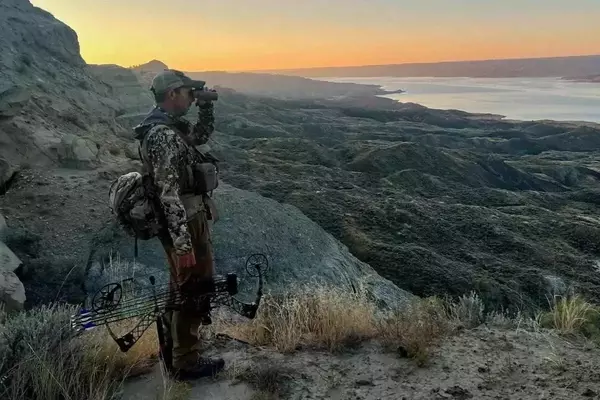
California's diverse geography leads to a similarly varied set of hunting seasons and tactics. The early season along the Central Coast, for example, presents hunters with unique challenges, including extreme daytime temperatures that require strategic planning around deer movement patterns. Hunters often find success by targeting early mornings, late evenings, or even midday near water sources and shaded areas where deer seek refuge from the heat. In the cooler, more rugged terrains of Northern California, true blacktails offer a different kind of pursuit, often requiring patience and knowledge of their dense forest habitats. The high country of the northern Sierra, home to the largest mule deer, demands perseverance due to tough drawing odds for tags and considerable travel distances. Each region thus demands specific hunting strategies, reflecting the deer's adaptations to their distinct climatic and environmental conditions.
Understanding the Complexities of Deer Genetics and Regional Distribution
The exact classifications and geographical boundaries of California's mule deer subspecies can be a subject of ongoing debate among experts. While some areas clearly delineate between California mule deer and Columbian blacktails, hybrid zones exist where genetic traits intermingle, creating deer with characteristics of both. This genetic fluidity is particularly evident along the Central Coast, where deer may display a mix of tail stripes and ear sizes. Furthermore, the desert regions introduce even more ambiguity, with debates over whether these populations should be classified as Inyo mule deer or the long-argued burro deer. Even below Los Angeles, a distinct subspecies, the southern mule deer (or "Baja blacktail"), thrives, showcasing darker coats, blockier bodies, and unique antler configurations. These genetic nuances underscore the deep evolutionary history and environmental pressures shaping California's deer diversity.
Addressing Population Dynamics and Conservation Challenges in California
California's deer population, estimated at approximately 500,000, reflects a large number within a vast state, yet densities can be low in many areas. This population is subject to fluctuations influenced by natural events such as severe winters, historical droughts, and a significant predator presence, particularly the state's large cougar population. Despite these ecological pressures and the lack of certain management options due to protected status, the deer populations have demonstrated remarkable resilience, rebounding in favorable years. This persistent presence allows tens of thousands of hunters to engage in their annual pursuit, fostering a deep appreciation for these backyard deer, regardless of their specific lineage. The challenges faced by these populations highlight the intricate balance of California's ecosystems and the ongoing need for thoughtful conservation efforts.