Trending Searches
The Evolution of Tautog Fishing: From Traditional Rigs to Modern Jigging
Once considered merely a species for filling coolers, tautog, or blackfish, have gained recognition among anglers for their sporting qualities. The advent of sophisticated Japanese-inspired jigging gear and techniques has revolutionized how these strong, cunning wrasse family members are pursued. This transformation has elevated tautog fishing from a utilitarian endeavor to a refined angling challenge, requiring skill and specialized equipment.
The Modern Approach to Tautog Fishing: An In-Depth Look
In recent years, the world of tautog fishing has undergone a significant evolution, shifting from rudimentary methods to highly specialized jigging techniques. This transformation, largely influenced by Japanese angling innovations, has redefined the pursuit of these resilient bottom-dwelling fish. Previously, anglers primarily focused on quickly extracting tautog from rocky structures using heavy rods and strong lines, valuing quantity over the sporting experience. However, with the introduction of ultra-light, yet incredibly robust jigging rods, high-speed compact reels, and super-thin braided lines, the sport has found a new dimension. These modern tools enable a more direct and sensitive connection to the bait, allowing anglers to detect subtle bites and react with greater precision.
New Jersey-based charter captain Brett Taylor, an ardent proponent of tautog jigging, emphasizes the superior bite detection offered by this method. Unlike traditional heavy-sinker rigs prone to snagging, jigs, when paired with braided lines, offer a clearer feel for the fish's activity. The design of these jigs ensures they sit horizontally on the seabed, presenting bait, typically crab pieces, in an enticing manner. Taylor advises using the lightest possible jig to maintain bottom contact, minimizing the weight felt by the fish upon taking the bait, which significantly increases hook-up rates. While jigging excels in shallower waters (under 40 feet), traditional rigs still prove valuable in deeper or more challenging conditions, where heavier weights are necessary to counteract strong currents or winds.
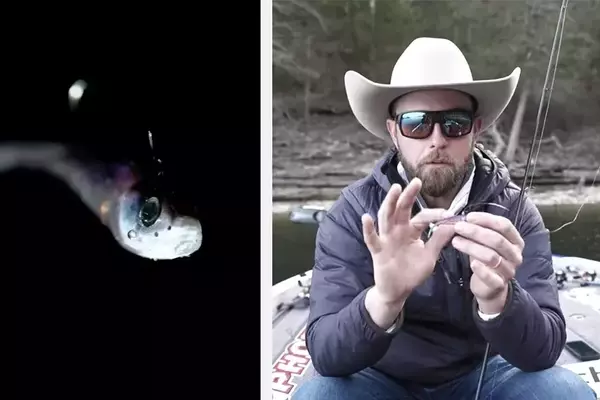
The effectiveness of tautog jigs extends beyond their mechanical advantages, delving into the realm of visual appeal. Jigs are available in a vast spectrum of colors, many designed to mimic the natural environment. While some anglers prefer colors that blend with the bottom, others swear by vibrant hues like blue or chartreuse. Captain Taylor highlights the efficacy of glow-in-the-dark jigs, asserting that tautog are visual feeders in the dim underwater environment. Furthermore, jigs designed to match common bait species, such as green crabs and Jonah crabs, offer a reliable option when specific color preferences are uncertain. Ultimately, successful tautog fishing, whether with jigs or traditional rigs, hinges on an angler's readiness to strike. Tautog possess a remarkable ability to subtly snatch bait, requiring swift and precise hook sets. The nuanced bite, often a delicate peck followed by a solid thump or a sudden slack in the line, demands keen observation and refined timing for a successful catch. The optimal hook style, particularly a short shank concealed within the bait, further enhances the chances of a solid hook-up.
The evolution of tautog fishing, spurred by technological advancements and refined techniques, underscores a broader trend in angling: the continuous pursuit of greater precision, connection, and understanding of marine life. This shift not only enhances the sport's challenge and enjoyment but also encourages a more engaged and respectful interaction with the aquatic environment.