Trending Searches
Selecting the Optimal Finish for Marine Pipework
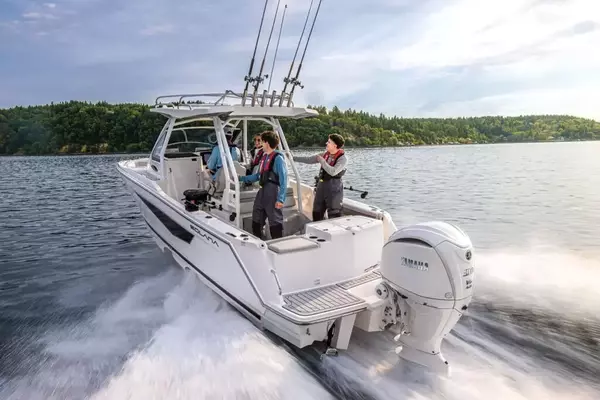
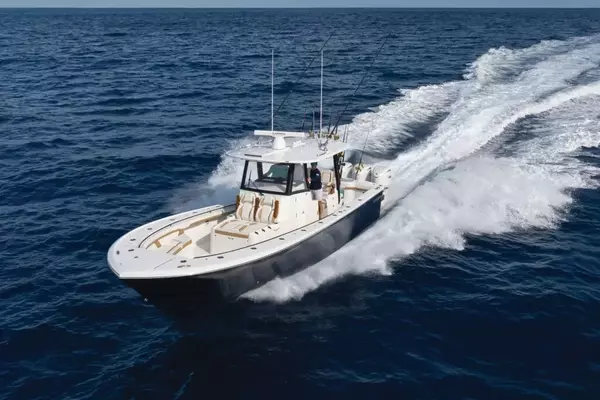
When outfitting a new saltwater fishing vessel, the choice of finish for its essential pipework, such as that found on hardtops or T-tops, presents a crucial decision. This selection profoundly impacts both the aesthetic appeal and the long-term resilience of the structure against harsh marine elements. From maintaining pristine appearances to enduring rigorous fishing excursions, the ideal finish balances visual preferences with practical demands. The market offers a spectrum of options, each with distinct advantages and characteristics tailored to different needs and environmental conditions.
Detailed Examination of Pipework Finishes
On December 29, 2025, Jim Hendricks elaborated on the critical considerations for boat owners navigating the choices for pipework finishes on their vessels' hardtops, T-tops, or even towers. The decision largely hinges on a blend of personal aesthetic preference and the intensity of the fishing activities planned. Several types of finishes are available, each offering unique benefits and drawbacks in terms of durability, maintenance, and appearance.
First, an anodized finish is created by an electrochemical process that converts the aluminum surface into a protective, corrosion-resistant layer. While clear anodizing is prevalent in marine applications, it's known for its robust defense against saltwater and general wear, and it doesn't easily show fingerprints. However, scratches on an anodized surface are difficult to repair, potentially leading to localized corrosion.
Next, polished aluminum offers an exceptionally bright, chrome-like luster. This finish, however, provides less inherent corrosion resistance than other options and demands regular buffing to maintain its shine. It is also prone to showing fingerprints and is somewhat more susceptible to minor scratches, though many small imperfections can be polished out. Due to its higher maintenance and lower corrosion resistance, polished aluminum is generally more suitable for freshwater environments.
Painted finishes, exemplified by Roswell Marine's offerings, involve a sophisticated multi-step process. This begins with a Chem Dip treatment to establish a corrosion-resistant underbarrier, similar to anodizing, followed by primer and paint application. The paint is then baked to achieve a durable finish resistant to marine corrosion. This method allows for extensive color customization, and localized repairs for chips or scratches are notably simpler than with other finishes.
A more rugged option is the Raptor-Coated finish, also provided by Roswell Towers. This process applies a thick, highly durable urethane layer, which Raptor claims is resistant to fading, scratching, cracking, and breakdown. Compared to truck bed liners, this finish offers extreme durability and is available in numerous shades to complement a boat's color scheme. Its distinctive orange-peel texture and low gloss contribute to a robust, utilitarian appearance.
Finally, powder-coating involves applying a dry powder through an electrostatic process, which then adheres to the aluminum and is baked to form a smooth, semi-gloss coating. Esteemed for its superior durability compared to traditional paint and excellent corrosion resistance, powder-coating is a favored choice for saltwater fishing boats. It is available in virtually any color, with black, beige, and white being particularly popular. This finish requires minimal maintenance—just a simple wipe-down with soap and water after each trip—and minor chips or scratches can be effectively repaired with matching paint.
Reflections on Marine Craftsmanship
The meticulous consideration of pipework finishes on fishing boats underscores a broader dedication to marine craftsmanship and longevity. This decision-making process highlights the importance of balancing aesthetic aspirations with the practical demands of a harsh saltwater environment. It serves as a reminder that every component, no matter how seemingly minor, plays a role in the overall resilience and functionality of a vessel. For boat owners, understanding these options empowers them to make informed choices that not only enhance their boat's appearance but also ensure its enduring performance and minimize future maintenance challenges, ultimately enriching their maritime experience.