Trending Searches
Strategic Stand Hunting in Northern Big Woods
When pursuing deer in the vast northern woodlands, hunters often imagine themselves traversing snow-covered terrain in traditional wool attire, following buck tracks. While snow tracking is a preferred method for many, its feasibility is often limited by unpredictable snowfall and short hunting seasons. Consequently, a common alternative involves setting up tree stands or ground blinds and patiently awaiting a deer's appearance. With decades of experience guiding deer hunters in these environments, successful stand hunting hinges on identifying optimal locations.
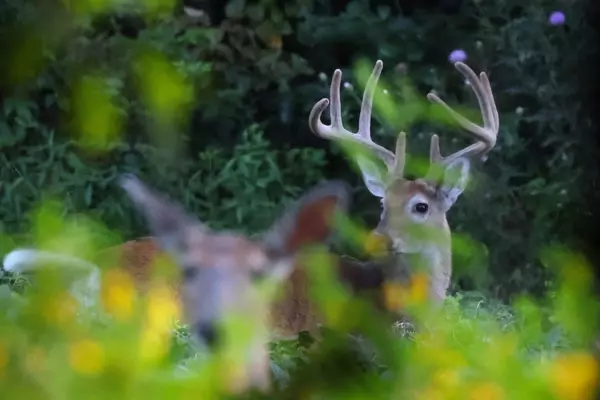
Deer populations are considerably sparser in the northern big woods, largely due to harsh winters that can drastically reduce herd sizes, requiring years for recovery. Hunters in these challenging landscapes recognize the increased difficulty in bagging a buck, especially without snow, yet they embrace the pursuit. Stand hunting in these areas demands a distinct approach, as bucks lack consistent feeding or bedding grounds and often wander across extensive home ranges, sometimes covering up to ten miles in any direction. Therefore, meticulous scouting is paramount to pinpointing effective stand sites.
The most opportune times for scouting are late October, after leaf fall, and early spring, immediately following snowmelt and before vegetation fully greens. During summer, bucks typically remain in smaller, food-rich areas to recuperate from winter and prepare for the upcoming rut. As leaves drop, the woods, particularly logged sections, become more open, prompting bucks to seek denser cover and begin marking their territory. In spring, historical buck signs like rubs and scrapes, previously hidden by snow, become visible once more. Based on extensive experience, a buck utilizes only about ten percent of its total home range. Effective stand placement must target this crucial ten percent, often situated along transition zones between hardwood and softwood areas, which offer enhanced cover and security. These zones are frequently found near swamps, bogs, or high ridges. Key indicators in these areas include signpost rubs and annual scrapes, which are consistently reused by multiple generations of bucks. These specific markers form the foundation for two of the three most effective stand locations.
Signpost rubs represent a prime location for a hunting stand, often appearing in clusters within the same vicinity. These are distinctive rubs, made on the same tree year after year, serving as vital scent communication points within a buck's territory. Multiple bucks, including younger ones learning travel routes from older deer, frequently use these rubs. Does also visit to detect the presence of preferred males. In the northern big woods, approximately ninety-five percent of these signpost rubs are found on brown ash trees (technically black ash, but colloquially known as brown ash), which typically grow in moist environments such as cedar bogs, streams, and spring seeps. The corky bark of these trees is believed to retain scent effectively. Locating these specific trees and verifying the presence of rubs requires diligent scouting, but doing so uncovers some of the most productive stand sites. Similarly, annual scrapes are invaluable. Like signpost rubs, these are consistently used year after year, typically positioned along buck travel routes rather than near doe bedding areas. The more bucks that utilize a scrape, the larger and deeper it becomes, with soil kicked in various directions, indicating multi-directional traffic. Identifying an annual scrape involves looking for healed scars on tree roots within the scrape, left by years of buck hooves, and noticing a greater depth compared to regular scrapes. Some annual scrapes can be six inches deep from generations of use, making them exceptional stand locations. Lastly, focusing on doe-rich areas is also a sound strategy. These locations can shift annually, often influenced by logging activity that creates new feeding grounds. One-to-five-year-old clearings are prime feeding spots, as they foster diverse green vegetation. After this period, does move to newer cuttings as the browse becomes out of reach. While does spend more time in open woodlands than bucks, the rut motivates bucks to actively seek out does across their entire territory, often lowering their guard during this intense period. Locating doe areas is typically simpler than finding bucks, often involving scouting new logging sites or examining ridges for downed trees with preferred browse, such as maple, yellow birch, cedar, or 'old man's beard' moss on spruce and fir limbs. Abundant droppings signal active doe presence. Establishing a stand with good visibility in such areas is a reliable tactic, as bucks will regularly check these spots.
While stand hunting in the big woods can involve long, solitary waits due to lower deer densities compared to farmland or suburban regions, the potential reward is immense: a chance at a buck that may have never encountered a human. Many big woods bucks live to old age without ever being seen. From personal experience, the satisfaction of such a unique encounter far outweighs the time and patience invested in the stand. This pursuit offers a deep connection to nature and the profound challenge of hunting a truly wild animal.